Imagine you’re scrolling through a fan forum dedicated to a long-running sports series. A heated thread has exploded, not about the last game played, but about your favorite fantasy competition week. Fans debate lineups, trade players, and share clips from the latest streaming broadcast where commentators break down last-minute statistics. Everyone’s not just watching — they’re actively making decisions, reacting in real time, and shaping the experience together.
That’s the core question here: Are fantasy competitions truly interactive entertainment? With the rise of social platforms and streaming services, this old pastime isn’t just about spreadsheets and stats anymore; it’s about participation, emotional connection, and ongoing engagement in a digital landscape that moves at light speed.
Understanding Fantasy Competitions in the Digital Era
Traditional fantasy sports have long been a staple for sports lovers, where fans create teams based on real player stats and compete in leagues over a season. But the shift to digital participation platforms has transformed this experience into something more dynamic — blending gaming, social interaction, and live updates into a multifaceted entertainment event.
On platforms like ESPN Fantasy or Yahoo Fantasy Sports, integration with social media channels means lineups, trades, and scores flood your feeds in real time. Streaming services now host live drafts where commentators engage with the audience via chats and polls, making the audience part of the show.
From Passive Viewing to Active Participation
This shift mirrors what we see happening in live streaming communities for games like "Among Us" or "Twitch Plays Pokémon." When viewers can vote, chat, and influence outcomes, they’re no longer passive consumers. Fantasy competitions loaded into participation platforms create a similar effect.
- Familiarity: Fans enter with a knowledge base about players and teams, lowering the barrier for jumping in. Continuity: Seasonal structures and regular update cycles give a rhythm that keeps fans returning. Choice & Contribution: Drafting picks, making trades, and discussing strategies transform the audience into active players.
Nostalgia as Emotional Connection and Comfort
Think of a streamer who hosts a fantasy competition tied to classic sports legends, or a social platform recreating old-school league vibes but with modern tools. The nostalgia factor isn’t just about remembering the “good old days.” It acts like emotional glue — a comforting constant amid a swirling digital storm.
This parallels how a fan forum thread dedicated to a retro sports season suddenly sparks a resurgence in player engagement. It’s not just recapping scores; it’s rekindling memories, community bonds, and emotional investment.
Aspect Impact on Fantasy Competitions Emotional Comfort Connects users to past fandom moments, deepening connection Engagement Increases retention through sentimental attachment Community Bonding Rekindles fan camaraderie and shared interestHow Streaming Services Amplify Nostalgia
Platforms like YouTube Gaming and Twitch can spotlight legendary match highlights or throwback commentary, bringing nostalgia front and center. Interactive chats and viewer polls during these broadcasts encourage fans to relive moments actively, instead of passively reminiscing.
Familiarity and Continuity in a Fast-Changing Digital World
Our digital world flips narratives and apps every month. Yet fantasy competitions have resisted this chaos by banking on continuity — regular seasons, predictable scoring methods, and community rituals — creating a slow-moving anchor for fans.
These familiar mechanics combined with real-time data feeds create a unique kind of interactive sports style experience. Unlike watching a recorded game, users tune in knowing their decisions affect outcomes, release timing, and league standings.
- Stable frameworks help users return regularly despite digital trend fatigue. Real-time updates courtesy of streaming integrations increase immediacy and immersion. Engagement loops through notifications and social sharing maintain excitement across weeks and months.
Participation Platforms Fuel This Stability
Dedicated fantasy apps aren’t just digital scoreboards anymore. They’re hubs of interaction — offering chat rooms, expert analysis, trade boards, and multi-platform accessibility that turn fantasy competitions into persistent digital hangouts.
Interactivity Turning Audiences Into Participants
This is where the term "interactive entertainment" earns its weight. The essence lies in the shift from passive consumption to active participation. As a mid-size gaming forum mod might spot, the comment section starts buzzing when a streamer asks, "Who should I draft next?" or a poll decides the cap on bench players.
Fantasy competitions integrated with social platforms empower users to:
Influence gameplay through draft picks, trades, and waiver decisions. Engage socially by sharing screenshots, trash-talking rivals, and rallying supporter groups. Participate in live events like drafts streamed on Twitch with interactive overlays.It’s not an audience watching a scripted show; it’s a collective making the story. This active engagement converts casual fans into hardcore participants and fans into community members.
Engagement and Retention Through Choice and Contribution
Choice is powerful. Being able to contribute—not just consume—fuels engagement and retention at a scale that passive broadcasts struggle to match. When players choose lineup strategies, tweak trade offers, or debate their picks in Discord or Reddit threads, they anchor themselves emotionally and socially.
This kind of participation creates micro-communities within larger platforms. It’s like a stream poll in the middle of a live draft, where tens of thousands of votes can shift a decision — making every participant feel seen and integral.
- Decision-making empowers users and increases emotional buy-in. Contributions to community dialogue build social capital and peer recognition. Shared victories and losses deepen communal experience and loyalty.
Real-Life Scenario: The Fantasy League That Didn’t Just End at Scorekeeping
Consider a fantasy football league run via a popular participation platform integrated with Twitch streams and Twitter updates. The commissioner runs weekly live draft recap shows, polls viewers on trade acceptances, and hosts trivia nights around player stats. Fans tweet advice, debate lineups in Discord, and meme their underdog victories. The league becomes a digital playground — a place to absorb, act, and connect.

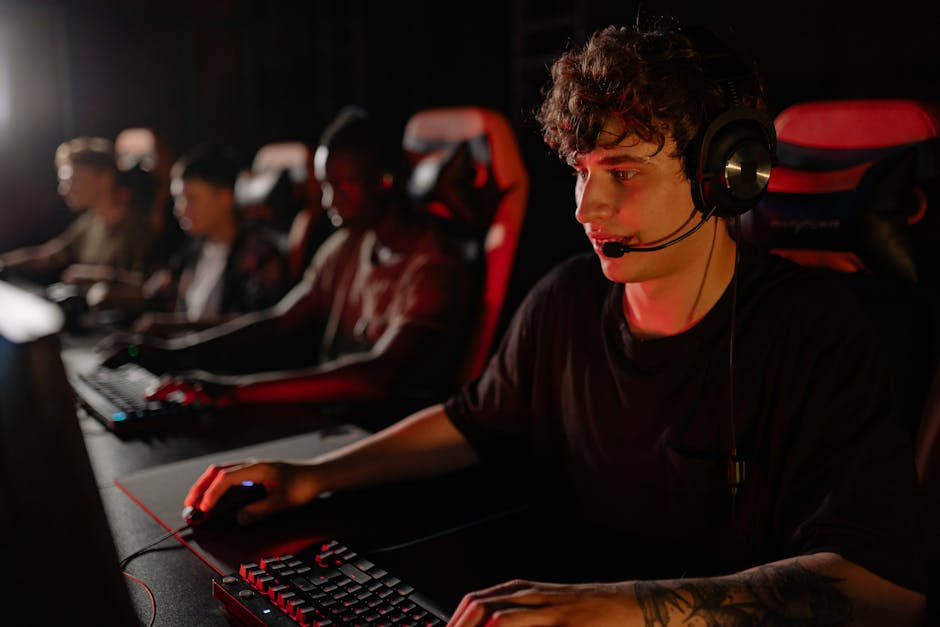
This synergy between tools, nostalgia, and participation is what transforms fantasy competitions from simply sports-themed games into genuine interactive entertainment experiences.
Conclusion: The Interactive Heartbeat of Fantasy Sports
So, are fantasy competitions considered interactive entertainment? The answer is a resounding yes — but only when they leverage the tools of today’s digital ecosystem. Social platforms enable conversation and camaraderie. Streaming services inject real-time engagement and shared experiences. Participation platforms provide the choices and contributions that turn viewers into stakeholders.
At the intersection stripesblog of nostalgia, familiarity, and interactivity, fantasy competitions offer fans a unique comfort amid rapid digital change — a place where playing, watching, and socializing merge into one dynamic experience. They’re not just interactive sports style games; they’re living, breathing communities driven by the fans themselves.
If you’re used to just watching games, try stepping into a fantasy league combined with live streaming and social buzz. You might find it’s not just about the players on the field — it’s about the interaction itself, making every win, trade, and loss a shared adventure.