When selecting an engagement ring for someone with an active lifestyle—especially someone who works with their hands—the standard sparkling solitaire may not be the best choice. A low set engagement ring or a practical ring setting can make a significant difference in comfort, durability, and day-to-day wearability. Rings that catch on clothes or tools can be frustrating and even dangerous.
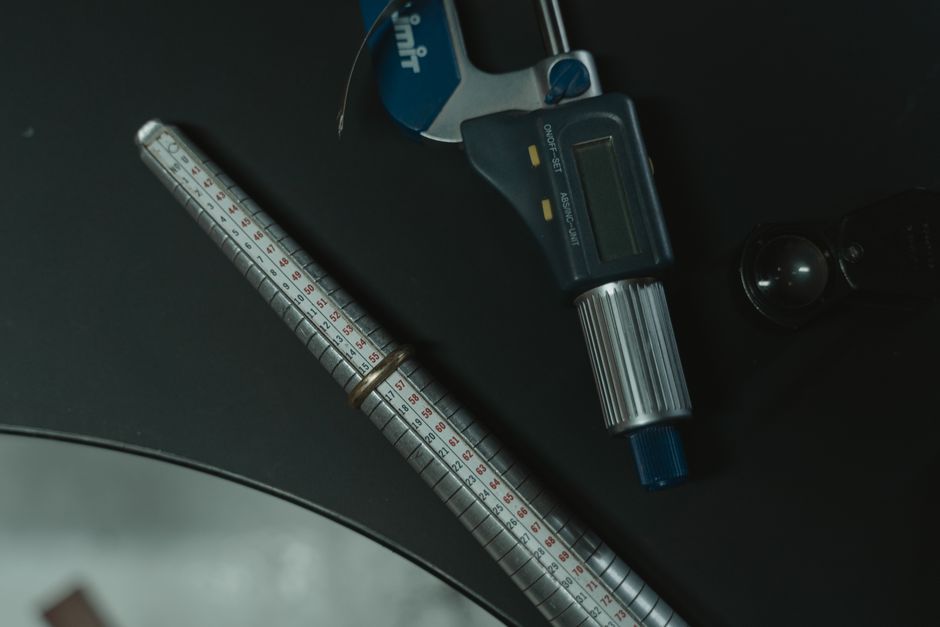
In this post, we’ll explore how to choose a ring that balances elegance with practicality, diving into the essential Four Cs of diamonds, how to verify diamond reports, and why shape and cut impact both sparkle and perceived size.
Why Consider a Low Profile Engagement Ring?
For those working with their hands—be it crafts, construction, healthcare, or culinary arts—the last thing you want is a ring that snaggs on gloves, sleeves, or tools. High-set rings with tall prongs tend to catch, which slows work and puts the ring at risk of damage or loss.
- Low Profile: A setting that keeps the diamond closer to the finger’s surface. Practicality: Smooth edges, bezel or flush settings reduce catching. Comfort: Important for all-day wear, especially in manual work.
Companies like Hatton Garden Jewellers specialise in crafting bespoke low profile settings that combine aesthetics and practicality. They often recommend sturdy designs like bezel or channel sets, which surround the diamond securely and prevent snags.
The Four Cs Trade-Offs: Which Matter Most for Practical Rings?
The Four Cs—Cut, Clarity, Color, and Carat—are critical to diamond quality, but prioritising them depends on your wearer’s needs. For practical ring settings, some trade-offs may be necessary.
Cut: The most crucial factor because it drives the diamond’s sparkle. The Gemological Institute of America (GIA) emphasises that a well-cut diamond maximises brilliance and fire, making even a smaller or lower-carat diamond look stunning. Clarity: Because the diamond will be closer to the finger and might rub against surfaces, inclusions could become more visible. Try to find a balance—VS2 or SI1 clarity grades often offer eye-clean diamonds at a reasonable price. Color: Slight tints are usually less noticeable once the diamond is mounted, so a near-colorless range (G-H) often works well. Carat: While carat indicates weight, it doesn’t tell the whole story about size or aesthetics, especially with low profile designs.Remember, cut drives sparkle — a well-cut smaller diamond can outperform a larger, poorly cut stone.
Verifying Your Diamond: Why the Report Number Matters
Always ask for https://hatton-garden-jewellers.co.uk/7-things-to-check-before-buying-a-diamond-ring the laboratory report number before discussing price. Each GIA certified diamond comes with a unique number that you can verify directly with the GIA database. This step protects buyers from overpaying or purchasing misrepresented stones. Many online sources and apps, including those related to MRQ (like mobile casino apps focused on trusted verification), highlight the importance of authentication, which parallels responsible diamond buying.
How to Verify Diamond Reports:
Get the exact diamond report number from your jeweller (preferably GIA certified). Visit the official GIA Diamond Report Check page. Input the report number to confirm the diamond details match the listing.This process avoids vague assurances like “certified” without naming the grading lab—a pet peeve for my years editing jewellery content, as such ambiguity can lead to buyer regrets or confusion.
Carat vs Visible Size: Understanding Dimensions and Proportions
Many buyers focus on carat weight assuming bigger equals better, but that’s a misconception—especially important for practical rings with low settings. A well-proportioned diamond can look larger face-up with less weight.
Carat Weight Approximate Diameter (Round Brilliant) Visual Impact 0.50 carat ~5.0 mm Small but noticeable 0.75 carat ~5.8 mm Medium size 1.00 carat ~6.5 mm Popular and substantial 1.50 carat ~7.4 mm Larger appearancePro tip: Some shapes naturally face-up larger than round diamonds at the same carat weight.
Shape and Perceived Size: Oval, Pear, Marquise vs Round
If maximizing visible size within a practical low profile ring is the goal, consider these shapes:
- Oval: Elongates the finger and appears larger than round diamonds of the same carat. Pear: Unique and elegant, offers great face-up size and can fit into bezel or low-set settings. Marquise: Classic shape that maximizes length and sparkles brilliantly. Round: The traditional favorite, known for its perfect cut proportions and unmatched brilliance but generally slightly smaller face-up size per carat.
Low profile settings like a bezel wrap these shapes securely, and their elongated forms reduce the likelihood of the ring catching on fabrics by closely hugging the finger.
Summary Checklist for Low Profile Engagement Rings
- Opt for a sturdy setting: bezel, flush, or low prong styles. Prioritise diamond cut quality for sparkle in everyday wear. Choose clarity and color grades balancing appearance with cost (often VS2-SI1 clarity, G-H color). Verify the diamond’s GIA report number via official databases. Consider diamond shape to maximize visible size at lower carat weights. Request ring sizing and return policies upfront—avoid vague footer-only details. Ask your jeweller, like those at Hatton Garden Jewellers, for recommendations tailored to active lifestyles.
Final Thoughts
Finding the perfect low set engagement ring for someone who works with their hands involves balancing glamour and practicality. That said, there are exceptions. By understanding how cut drives sparkle, verifying authenticity via reliable GIA report numbers, and choosing shapes designed to maximize size without excessive height, you’ll ensure a ring that’s stunning, durable, and suitable for everyday use.

If you’re browsing options at trusted professionals such as Hatton Garden Jewellers, be proactive and request reports and sizing policies upfront to avoid surprises later. A practical ring setting prevents your ring from catching on clothes or equipment, fitting seamlessly into hands-on workdays while sparkling with timeless elegance.
Remember, a beautiful engagement ring is not just about size or solitude flash—it’s about matching real life with real sparkle.