If you were to open the Notes app on my phone right now, you’d find a running list—a ledger of shame, if you will. It’s titled "Stain Culprits," and it’s essentially a log of everything I’ve consumed that has inevitably led to me franticly googling 'how to remove https://highstylife.com/is-whitening-gel-safe-for-enamel-or-can-it-damage-teeth/ surface stains.' This week? A particularly dark Earl Grey, a rogue Tuesday night curry, and a glass of Cabernet that definitely left its mark. As a beauty editor who has spent nine years testing the limits of at-home aesthetic treatments, I’ve learned one universal truth: tea stains on teeth are the silent killers of a bright smile.
In our current era of constant digital visibility—where Zoom calls put our teeth under high-definition fluorescent scrutiny and Instagram filters make us hyper-aware of our dental saturation—the demand for whitening solutions has reached a fever pitch. But does a simple whitening gel actually cut it when you’re a three-cup-a-day tea drinker? Or are we falling for the "overnight miracle" marketing trap that I so despise?
The Digital Mirror: Why We’re Suddenly So Obsessed
Let’s be honest: before the pandemic, if you had a slightly tea-stained smile, you were just a person who enjoyed a nice brew. Now, thanks to the front-facing camera, our teeth are part of our personal branding. When you’re staring at a digital reflection of yourself for four hours a day on a Zoom call, you start to notice things you’d otherwise ignore. That yellowing at the gum line? That’s not a lighting issue; that’s tannin buildup.
This "Digital Visibility" stress is driving the boom in at-home whitening. We want the results we see on Instagram—that blinding, poreless, bright-white perfection—but we want it to fit into a life that includes actual tasks, not just expensive dental appointments. We want the convenience of a routine we can manage while multitasking, not something that requires a medical degree and three hours of downtime.
How Whitening Gel Actually Works (The Science, Not the Fluff)
Before you purchase the first tube you find on a targeted ad, we need to talk chemistry. Most effective whitening gels (like those offered by Smile4You) rely on active bleaching agents, usually hydrogen peroxide or carbamide peroxide.
When you apply whitening gel for tea stains, the active oxygen molecules within the gel penetrate the enamel of the tooth. These molecules react with the discolored molecules (the tannins from your tea) that have bonded to the tooth’s structure. Essentially, the oxygen breaks the chemical bonds of the stain, "bleaching" the pigment until it is no longer visible. It isn't magic; it’s oxidation.
However, here is where my skepticism kicks in: marketing departments love to promise "overnight miracles." They show you a photo of someone with yellow teeth in bad lighting and a photo of them with white teeth in studio lighting and claim a tube of gel did it all in eight hours. That is almost never the truth. Surface stain removal takes consistency. It takes a routine.
The Practical Reality: Incorporating Whitening into Your Real-Life Habits
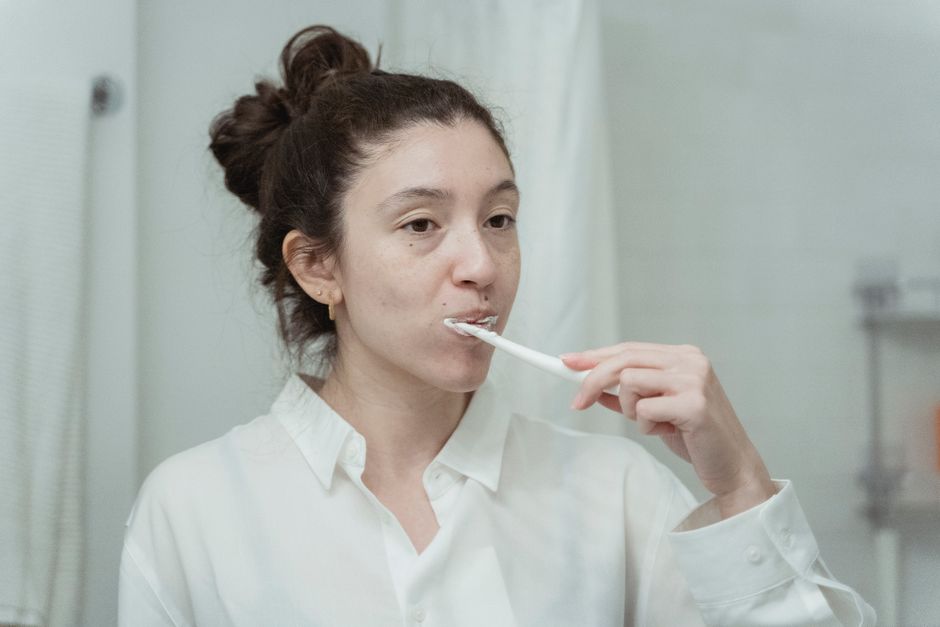
Lab conditions don’t exist in my life. I don't sit in a white chair for thirty minutes with a mouth guard in while a technician monitors my saliva flow. I whiten my teeth while I’m clearing out my inbox or waiting for my conditioner to set in the shower.
If you want to tackle tea stains, you have to time your whitening gel application around your lifestyle. The UK Oral Health Foundation advises caution, noting that if you have sensitive teeth, jumping into high-intensity whitening can be a one-way ticket to shooting nerve pain. My rule? If the product doesn't give me instructions for sensitive teeth, I’m already suspicious.
Here is how I’ve successfully integrated whitening into a busy, tea-drinking life:
- The "Post-Brush" Strategy: Never apply gel immediately after aggressive brushing, as your enamel is temporarily vulnerable. Wait 20 minutes for your saliva to re-mineralize the surface. The Night-Time Routine: If you are using trays or strips, do it *before* bed, but make sure your teeth are completely dry before application. Saliva is the enemy of whitening gel—it dilutes the product and renders it useless. Consistency Over Intensity: Brands like Parlor Beauty focus on a lifestyle-first approach. It’s better to use a mild gel for 15 minutes a day for two weeks than a harsh chemical treatment that leaves your gums weeping.
Addressing the Elephant in the Room: The "Hidden Price" Problem
One of my biggest professional pet peeves is browsing beauty sites that hide their pricing behind a "Click to Reveal" or "Add to Cart" button. It’s lazy, and frankly, it’s annoying. We are all adults. We have budgets. If I’m looking for an at-home kit, I want to know exactly what the investment is before I start comparing ingredients.
When you look at companies like Parlor Beauty or Smile4You, transparency is key. If you can’t find a clear price list on the page, keep digging. A reputable company won't hide the cost of your dental aesthetics, nor will they hide the concentration of their peroxide. If the ingredient list is vague—vaguely claiming "proprietary whitening blend"—close the tab. You have a right to know what you’re putting on your enamel.
Comparative Overview of Whitening Approaches
Method Efficacy on Tea Stains Time Commitment Sensitivity Risk Whitening Gels (Professional Strength) High 15-30 mins/day Moderate Whitening Toothpastes Low (Surface Only) During normal brushing Low Whitening Strips Moderate 30-60 mins/day HighFinal Verdict: Are Tea Stains Permanent?
Short answer: No. Long answer: They are persistent, but they are removable. Tea stains are extrinsic, meaning they sit on the outer layers of the tooth. best gel for tea stains Whitening gel is highly effective for these specific types of stains because it is designed to penetrate that outer layer.

However, if you are looking to keep your teeth white while maintaining your tea habit, you have to be tactical. Consider drinking your tea through a reusable straw if you’re at your desk—it minimizes direct contact with the front teeth. And, for the love of your enamel, listen to your teeth. If they start feeling like they’re buzzing after a whitening session, take a three-day break. No Instagram selfie is worth the pain of exposed dentin.
At the end of the day, a bright smile is a form of self-care. It makes you feel put together, even when the rest of your day is a mess of missed deadlines and spilled coffee. Just choose your products wisely, ignore the "overnight" marketing lies, and keep an eye on that ingredient list. Your teeth (and your confidence) will thank you.