I’ve been a gamer for 12 years now, and if there’s one thing that keeps me grounded while I balance triple-A titles, parenting three kids, and writing for tech blogs, it’s keeping track of the data. Every time I have a late-night session—usually sneaking in some progression on a massive open-world RPG while the house is finally quiet—I note my sleep quality the next morning. It’s a simple spreadsheet, but it tells a story that "wellness influencers" often ignore: real life, health, and how we play are deeply intertwined. Lately, I’ve been seeing a lot of chatter in Discord servers about cannabis-based medicinal products and how they fit into the lives of the everyday player.
Because I avoid the fluff—and I’m definitely not a fan of people making health claims without citing clinicians—I decided to look at what the GOV.UK guidance actually says. I’m not talking about the hearsay on forums. I’m looking at the UK prescription framework. What does this change for normal players who are just trying to manage their chronic pain, anxiety, or insomnia so they can actually enjoy their downtime?
What the GOV.UK Guidance Actually States
The first thing that annoys me about the discourse online is how people talk about "medical cannabis" as if it’s an over-the-counter supplement. It isn't. The GOV.UK guidance on cannabis-based medicinal products (CBMPs) is incredibly specific. It is not about "recreational" use, and it’s certainly not about the trend-driven buzzwords we see on social media.
According to the official framework, the prescription of these products is restricted. It’s not just any doctor who can sign off on this; it has to be a specialist doctor listed on the General Medical Council’s specialist register. They only do this when all other treatment options have been exhausted. Let’s be clear: this isn't a "gaming hack" for better focus. It is a strictly controlled medical intervention for specific conditions like severe epilepsy, chemotherapy-induced nausea, or chronic pain.
If you are a gamer using these platforms to stay connected, don't buy into the "performance enhancer" myth. The clinical reality is that these products are prescribed to help patients lead a baseline life, not to help them reach an "esports" peak. The corporate buzzwords like "brain optimization" need to be thrown out the window. If you're struggling with a health condition that prevents you from enjoying your community or playing your favorite titles, the clinical route is the only one the government recognizes.
Gaming as Mainstream Social Connection
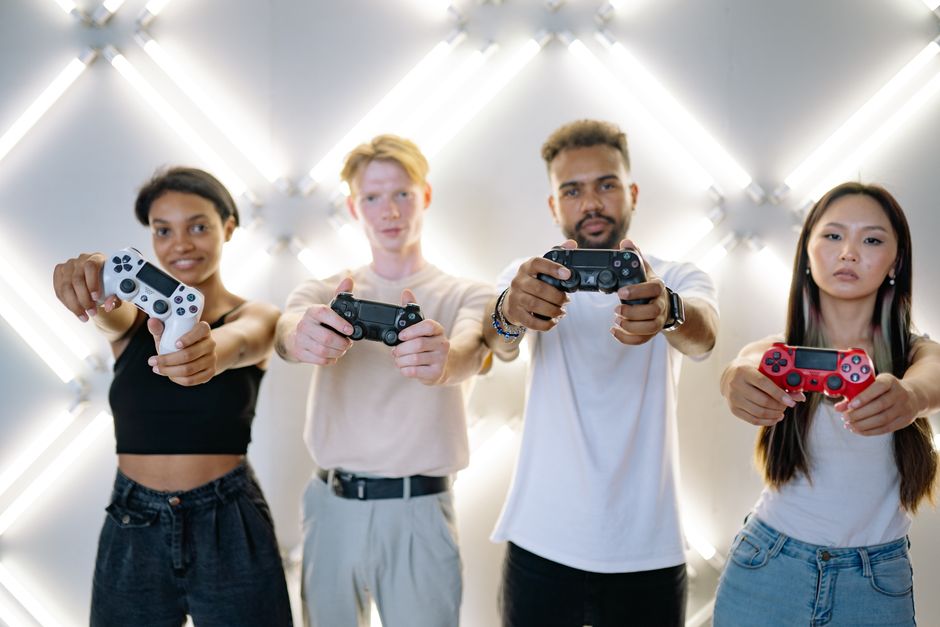
Why am I writing about this? Because gaming isn't just about winning. For many of us, especially those of us juggling careers and kids, gaming is our third space. Whether we’re jumping into a squad-based tactical shooter or chilling on a farm-sim, the social connection is vital.

I see it every day on Discord. You have people logging on after a grueling day of physical pain or mental health hurdles, looking for that sense of normalcy. When someone is in the middle of a chronic health flare-up, mobile gaming accessibility becomes a massive equalizer. A high-end PC rig is great, but sometimes you’re stuck in bed, and having a mobile device that lets you stay in the loop with your guild or friends is essential for your mental well-being.
However, we need to stop pretending that gaming is only for the "esports athlete." That’s a corporate narrative that excludes the vast majority of us who are just trying to play for a couple of hours. watching vs playing video games debate Real gaming is about community, and for that community to thrive, we need honest conversations about health—conversations that don't rely on unverified claims or "wellness" snake oil.
Streaming Culture and the Creator Ecosystem
We’ve all seen the massive streaming platforms—those massive, unbranded giants—where creators talk about their "daily habits." It’s become a massive part of our culture. But as a parent of three, I’m hyper-aware of how these ecosystems influence younger players. When a creator talks about using various substances to "stay awake for the grind," it sends a dangerous signal.
I prefer to look at the tech: cloud gaming. This technology is a game-changer for accessibility. It allows people with older hardware, or those who can't afford a top-tier setup, to play the latest titles. It bridges the gap. But let’s keep it focused on the hardware and the software, not the "lifestyle" of the person streaming it. We need to normalize the idea that you don't need to gaming mental recovery be "cracked" or fueled by non-clinical substances to belong in the community.
What Does This Change for Normal Players?
If you’re a typical player, the UK prescription framework for cannabis-based medicinal products changes exactly nothing about your daily grind. If you are not experiencing a medically diagnosed condition that meets the criteria, it isn’t for you. It’s a clinical tool, not a lifestyle upgrade.
Myth Clinical Reality CBMPs are for "focus and gaming performance." CBMPs are for diagnosed medical conditions when other treatments fail. It’s easy to get a prescription online. Requires a specialist doctor and documented medical history. It’s a natural health supplement. It is a strictly regulated medicinal product.Bridging the Gap: Real-World Context
The reason I’m so adamant about referencing the GOV.UK guidance is that I’ve spent years testing gadgets and analyzing games, and I’ve learned that the "latest trend" is rarely the answer to life’s problems. When I look at my sleep logs, the things that actually improve my recovery aren't "hacks." They’re things like adjusting my blue-light settings on my monitor, managing my caffeine intake, and staying hydrated.
For players who do have chronic conditions, the UK framework provides a legitimate, legal, and safe pathway. That is a massive win compared to the "grey market" alternatives that so many people in the gaming world unfortunately experiment with. My advice as a parent and a hobbyist: follow the science, look at the government guidance, and talk to your GP. Do not take health advice from a Twitch chat or a Discord sub-channel.
Closing Thoughts on Community Play
Gaming will always be my primary way of disconnecting from the noise of the world. It’s how I connect with my kids, and it’s how I keep my brain sharp. But we have to be smarter about the information we circulate within our communities. We are a huge, diverse demographic, and we need to treat each other—and our own health—with the seriousness that clinicians recommend.
Stay grounded, keep your logs, and play for the joy of the game, not because some "influencer" said it would optimize your life. The best gaming experience is the one that leaves you feeling connected to your friends, not the one that leaves you second-guessing your health because of a poorly researched trend.