If you have spent any time on a discovery page lately, you have likely been hit with a tidal wave of “wellness” content that feels less like healthcare and more like a high-budget commercial. We are told to “reset,” to “detox,” and to “optimize” ourselves into oblivion. But after a decade of covering the intersections of fashion, pop culture, and lifestyle, I’ve developed a keen allergy to these buzzwords. Most of them are just marketing copy designed to sell a miracle in a bottle.
True holistic wellbeing isn’t found in a $200 candle or a rigid, influencer-approved morning routine that requires three hours of solitude you simply don’t have on a Tuesday morning. It is, quite simply, the act of making consistent, informed choices that improve your quality of life. Let’s strip away the fluff and look at what this actually looks like in practice.
The European Shift: Wellness as a Standard, Not a Niche
For a long time, the wellness industry in North America positioned wellbeing as an exclusive club—a premium tier of existence reserved for those with the time and budget for boutique fitness studios. However, we are seeing a massive pivot, particularly as European influence permeates global habits. In cities across Europe, wellbeing has moved from being a “special event” to an architectural and societal standard.
Think about the integration of walking into daily life, the focus on seasonal produce in local markets, and the cultural normalization of downtime. This isn't “self-care” as a performative act for social media; it’s an urban reality. The transition we are seeing is a move away from the “wellness as a luxury” framework toward “wellness as a infrastructure.”
- Accessibility: The shift toward prioritizing public spaces that encourage movement. Slower Pacing: The European "passeggiata" (evening walk) isn't a workout; it’s a nervous system reset. Community over Cult: Moving away from guru-led practices toward community-integrated habits.
The Era of Radical Personalization
We are currently witnessing the death of the “one-size-fits-all” wellness routine. We are tired of being told that the same supplement or the same HIIT workout will solve every problem. Thanks to the explosion of health-focused podcasts and data-driven social platforms, people are finally reclaiming their autonomy.
The modern approach to wellbeing is becoming deeply individualistic. It is no longer about following an aesthetic; it is about gathering data—not necessarily from expensive trackers, but from your own observations—and adjusting your mind body habits accordingly. If a popular "bio-hacking" routine makes you feel anxious, you stop. That is the ultimate act of holistic maturity.
The Comparison: Wellness Marketing vs. Functional Living
Marketing Phrase The Reality "Detoxify your system" Eating consistent meals and supporting liver function through hydration and fiber. "Unlock your potential" Prioritizing sleep and managing daily stress to avoid burnout. "Miracle-cure supplements" Addressing nutritional gaps only after consulting with a medical professional.Bridging Traditional Healthcare and Complementary Approaches
There has long been a false dichotomy between "traditional" medicine and "complementary" wellbeing. The fluffier side of the internet suggests they are enemies. In reality, the most balanced individuals I interview are the ones who use their GP for blood work and clinical diagnosis while using movement, nutrition, and mindfulness to manage their day-to-day vitality.
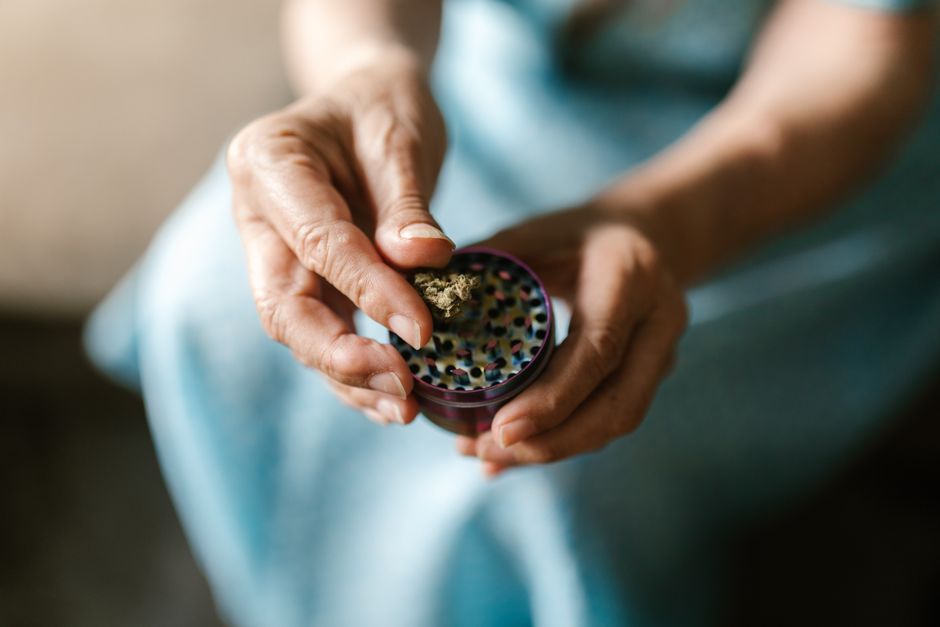
This is where regulation and evidence-based thought matter. When someone claims a specific herb can "fix" a medical condition, that is where my professional skepticism kicks in. Holistic wellbeing shouldn't replace doctors; it should be the foundation that makes your medical care more effective.
The Foundation: Clinical check-ups and evidence-based nutrition. The Complement: Mind-body practices like breathwork or yoga that help regulate the nervous system. The Integration: Using both to build resilience against chronic stress.The Fashion-Sustainability-Wellbeing Nexus
If you think your clothing choice has nothing to do with your wellbeing, you are overlooking one of the most important aspects of your sensory copenhagenfashionsummit.com environment. Fashion is the layer closest to our skin—it is the interface between our biology and the outside world.
The movement toward circular fashion and sustainable materials is inherently linked to holistic health. Synthetic fibers treated with heavy chemical dyes aren't just an environmental concern; they are a tactile irritation. As we become more conscious of what we put *into* our bodies, we are becoming equally conscious of what we put *on* them. The "wellness" of your clothing is now part of the conversation.
How Style Connects to Quality of Life
- Tactile Health: Choosing natural, breathable fabrics that support skin health rather than causing irritation or overheating. Sustainable Consumption: Moving away from the "fast fashion" cycle reduces the mental clutter of constant acquisition, aligning with a more minimalist, intentional lifestyle. Mindful Expression: Wearing clothes that allow for movement and physical comfort encourages us to be present in our bodies, rather than restricted by them.
Avoiding the "Detox" Trap: A Tuesday Morning Approach
Let’s get practical. How do we live this out on a Tuesday morning? It doesn’t involve a 5:00 AM ice bath or a list of supplements that costs as much as a small car. It involves small, repeatable behaviors.
If you want to track your wellbeing, start by looking at your social platforms not as a source of instruction, but as a source of information. Are the accounts you follow making you feel like your life is a project to be fixed? If yes, unfollow. Real holistic wellbeing is not about "fixing" a broken self; it is about nourishing the self you already are.

When you listen to a podcast, don't look for the next "hack." Look for the structural advice: How do you optimize your workspace? How do you improve your sleep hygiene? How do you find a balance between professional output and physical recovery?
Practical Habits for Real Life:
- The 10-Minute Reset: Step away from all screens for ten minutes mid-morning. Sit in silence or take a short walk. No podcasts, no music. Just reset. Fiber and Hydration: It is the least “sexy” health tip, but it is the most effective. Your digestion is the anchor for your energy levels. Clothing Audit: Choose clothes that you can breathe in, move in, and that are made of materials that feel good against your skin.
Final Thoughts: The End of the "Wellness" Buzzword
We are entering an era where the term "wellness" will likely lose its power, simply because we are moving toward a more mature understanding of human health. We are realizing that you cannot "buy" your way into feeling better. You cannot purchase a lifestyle that replaces the necessity of sleep, consistent movement, and genuine human connection.
Holistic wellbeing is a quiet, ongoing project. It is the clothes you choose to wear, the food you choose to eat because it makes your body feel capable, and the boundaries you set to protect your time. It is not an aesthetic; it is an orientation toward life. And the best part? It doesn’t need a brand name to work.
Stop looking for the “detox.” Start looking for the consistency. Your quality of life depends on the boring, repetitive, and deeply personal habits you build every Tuesday, not the products you buy on a Friday.