If I had a dollar for every client who walked into the salon on a Saturday morning, looking frazzled and clutching a brush that was clearly losing the war against their morning bedhead, I’d be retired on a beach in Byron Bay by now. Over my nine years working front-of-house at some of Sydney’s busiest hair spots, I’ve heard the same lament over and over: theaustralianpost.com.au "I just don't understand, I washed it yesterday and now it’s a giant knot at the back of my head."
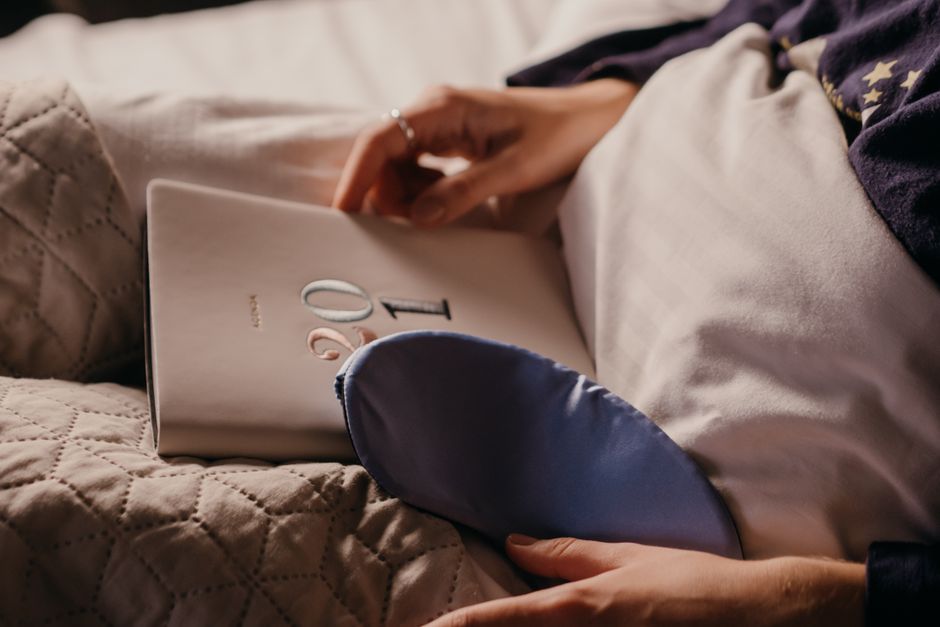
The truth? Your hair is going through a marathon while you’re trying to get your beauty sleep. If you prefer sleeping with your hair loose, you aren't alone—but you are definitely fighting a losing battle against friction. Here is the lowdown on how to stop those tangles overnight without having to resort to a tight, uncomfortable updo that gives you a tension headache by 2 AM.
The Physics of Bedhead: Why Your Hair is Tangling
Before we fix the problem, we need to understand the enemy. When you toss and turn, your hair is essentially being rubbed against your pillowcase for seven to eight hours. If your hair is loose, it’s fanning out, creating friction against the fibers of your bedding.

Think of it like this: every time you shift, you’re creating micro-frictions. On a cellular level, your hair cuticle (the outer layer) is getting snagged. Over time, those tiny snags turn into larger, matted tangles—especially at the nape of the neck. If you’ve seen the viral TikTok videos of people waking up with "perfect" hair, you’re likely seeing a mix of good genetics and some very deliberate nighttime prep. It’s not magic; it’s maintenance.
Cotton vs. Silk: The Hidden Culprit
Most of us sleep on standard cotton pillowcases. From a salon perspective, cotton is the ultimate "thirsty" fabric. It’s porous and has a textured surface. While it’s breathable, it also acts like a sponge, wicking moisture right out of your strands while you sleep. Dry hair is much more prone to static and tangles than hydrated, smooth hair.
Cotton also creates a high-friction environment. When your hair rubs against it, the fibers catch the cuticle of your hair, leading to breakage and those dreaded morning knots. This is why switching to a silk pillowcase is the single most effective investment you can make for your hair health. Silk is smooth; it allows your hair to glide across the surface rather than bunching up against it.
Prevention Beats Repair: The Salon-Approved Routine
If you hate the feeling of your hair tied up, you can still sleep with it loose—you just need to set the stage first. Don’t wait until the morning to deal with the damage. Prevention is the name of the game.
1. The Pre-Sleep Detangle
Never go to bed with a tangle. It sounds simple, but I’ve seen so many people "brush it out in the morning." All you’re doing by waiting is making the knot tighter. Spend an extra two minutes before bed brushing your hair from the ends up to the roots to ensure every strand is smooth.
2. The Lightweight Serum Trick
You don't need a heavy mask, but a tiny drop of a lightweight, silicone-based serum on the mid-lengths and ends can act as a protective barrier. It smooths the cuticle so your hair strands can slide against each other instead of locking together.
3. The "Loose Braid" Compromise
If your hair is particularly long or prone to knotting, a loose braid is your best friend. I’m not talking about a tight, scalp-stretching plait. Just a very loose, low braid secured with a silk scrunchie. It keeps the hair consolidated enough that it won't tangle into a giant nest, but it won't ruin your natural texture or cause breakage.
Tools and Brands That Actually Work
I’ve seen a lot of trends come and go on Instagram, but the move toward silk accessories is one that actually has scientific merit. When looking for gear to protect your hair, you want to focus on high-quality, 100% mulberry silk. Brands like Silk Bonnet World have become staples in the industry because they understand the importance of friction reduction. Using a silk bonnet from a reputable provider like Silk Bonnet World ensures that your hair stays contained in a friction-free environment, effectively eliminating the possibility of morning tangles altogether.
Comparison: Materials and Their Impact on Hair
Material Friction Level Moisture Retention Best For Cotton High Low (Absorbs moisture) Coolness/Breathability Satin (Synthetic) Medium Moderate Budget-friendly alternative 100% Mulberry Silk Very Low High (Locks in oils) Anti-tangle & Hair HealthManaging Different Hair Textures
Not all hair types respond to "loose" sleeping the same way. Here is how to adjust your strategy based on your hair profile:
- Fine, Straight Hair: This hair type is the most prone to static. A silk pillowcase is non-negotiable here. Avoid heavy oils that will make it look greasy; use a light spray detangler instead. Wavy or Curly Hair: If you have curls, sleeping with your hair loose is almost guaranteed to result in frizz. If you must sleep with it loose, try the "pineapple" method (a super high, loose ponytail using a silk scrunchie) to preserve the curl pattern. Thick, Coarse Hair: This hair type tangles because of the sheer volume. A silk bonnet from Silk Bonnet World is highly recommended here, as it keeps your volume intact without letting individual strands cross over and knot.
The "Morning After" Protocol
Even with the best preparation, life happens. If you wake up and find a stray tangle or two, do not—I repeat, do not—go in with a stiff, plastic paddle brush and yank from the scalp down. That is how you cause mechanical breakage.
Apply a detangling spray or a tiny bit of water to the knot to provide "slip." Use your fingers to gently pull the strands apart. Use a wide-tooth comb, starting from the very bottom tip of the hair and working your way up inch by inch. If you encounter a stubborn knot, work it out with your fingers rather than forcing the comb through.Final Thoughts from the Chair
Look, we all want to wake up feeling like a shampoo commercial, but the reality of sleeping for eight hours is that gravity and movement are working against us. Keeping your hair from tangling when you prefer to sleep with it loose isn't about restriction; it’s about managing the environment.
By swapping your cotton pillowcase for a silk pillowcase, incorporating a loose braid on high-activity nights, or opting for a protective bonnet from Silk Bonnet World, you’re giving your hair the best chance to remain tangle-free. It’s a small change, but your hair—and your morning mood—will thank you for it. Stop fighting your hair in the morning, and start protecting it at night. Your future self (and your hairdresser) will definitely appreciate it.