I’m sitting at my desk right now, staring at a stack of titles I’ve promised myself I’d beat, and honestly? Sometimes, the thought of clicking "Play" feels more like adding another entry to my to-do list than an actual escape. If you’ve spent any time in Discord servers or browsing gaming subreddits, you’ve likely seen the influx of "wellness" posts. They’ll tell you to "mindfully engage" with your mechanics or "set intentions" before you drop into a lobby. Honestly? That’s mostly corporate fluff designed to sell you a subscription box or a yoga mat.
After ten years of covering this industry, writing guides, and moderating communities, I’ve learned one truth: gaming isn't inherently restorative. It’s a tool. Whether it drains you or recharges you depends entirely on how you treat the session. I’ve got my water bottle sitting right next to my Switch—not because of some "hydration hack" influencer, but because I know if I don't sip between rounds, I end up with a headache after two matches. Let’s cut the buzzwords and look at how to actually make gaming feel like a break instead of a job.
The "Streaming Culture" Hangover
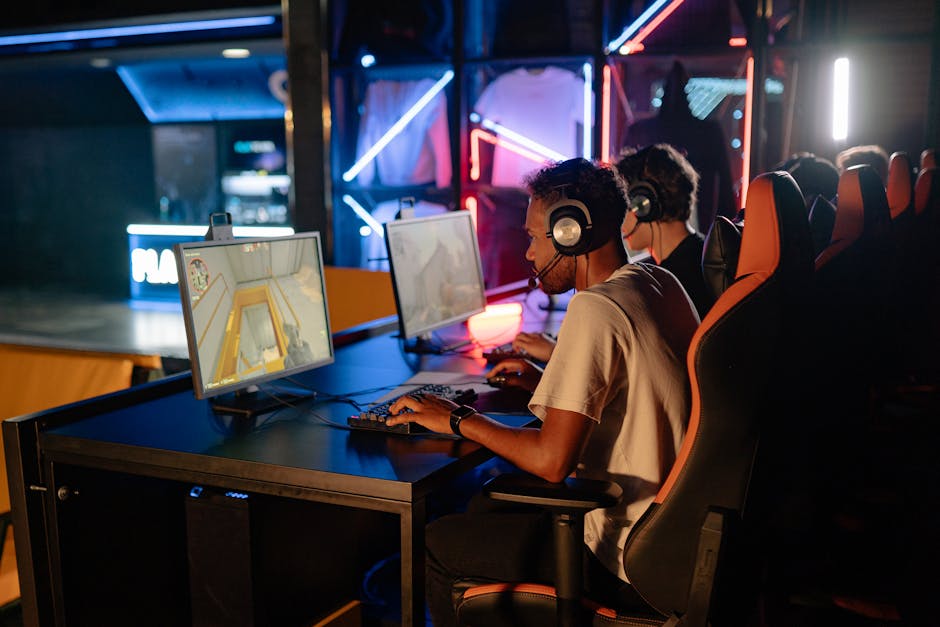
We need to address the elephant in the room: Twitch and YouTube have fundamentally altered our relationship with gaming. We live in an era where "grinding" is glorified. We watch streamers play for eight hours a day, constantly performing for a chat, sweating through ranked matches, and chasing the meta. We internalize that pace. We think, "If I’m not unlocking this skin or hitting this rank, am I even really playing?"
That is the fastest way to turn a hobby into a chore. When you treat your limited personal time like a professional streamer’s broadcast, you aren't decompressing; you’re working a second shift. The feeling of being "drained" usually comes from the cognitive load of high-stakes play. If your restorative downtime looks exactly like a high-intensity ranked climb, you aren't resting—you’re just switching from one stressor to another.

Breaking the Burnout Cycle
- Acknowledge the Load: Not all games are created equal. A soulslike or a high-velocity competitive shooter requires intense focus. That’s not downtime; that’s training. Stop Watching the Meta: If your social media feed is full of "best build" videos, you’re constantly being told how to optimize your joy. Unsubscribe for a week. See if you can actually discover something for yourself. The "Streamer Mindset" Trap: You don’t have an audience. You don’t need to be "on." Stop performing for an imaginary chat.
The Power of Micro-Downtime and Portability
One of the best shifts I’ve made in my own habits—and one I suggest to everyone who feels burned out—is embracing the "commute session." Portable consoles and even simple mobile games aren’t just for killing time; they’re for *transitioning*.
Think about your day in real-life chunks. I usually count my portable gaming in "one commute" or "two subway stops." By capping the session to the length of a train ride or a lunch break, you eliminate the "just one more hour" drift that leaves you feeling groggy and unaccomplished. Portable gaming forces a boundary on your playtime. It’s bite-sized, it’s intentional, and it’s meant to fill the gaps, not consume your entire evening.
Instead of staring at a massive monitor for four hours, try a handheld experience for 30 minutes. It feels different. It’s physical, it’s tactile, and it feels like a reward for finishing your actual work, rather than a procrastination tool you use to avoid it.
Comparing Your Gaming Habits
To help you figure out what’s draining you, I’ve put together a quick look at how different gaming styles impact your stress regulation. Use this to audit your own habits.
Gaming Habit Impact on Stress Verdict Competitive Ranked (4+ hours) High Cognitive Load / Adrenaline Spike Draining Cozy/Sandbox (1-2 hours) Low stakes / Flow state Restorative "One Commute" Handheld Mental break / Transition Restorative Doom-scrolling through Steam libraries Decision fatigue DrainingBuilding Healthy Habits: A Practical Guide
If you want gaming to be restorative, you need to treat it with a bit of deliberate structure. No, this isn't "wellness talk"—this is simple physics. Your brain needs a transition period.
1. The Water Bottle Rule
I mention my water bottle because it’s the easiest, non-medical way to ground yourself. If you’re playing, keep water within arm's reach. Every time you finish a quest or lose a match, take a sip. It forces you to look away from the screen, recalibrate your posture, and take a literal breath. It breaks the "trance" that leads to burnout.
2. Curate Your Library for "Low-Stakes" Play
Keep a "Restorative Rotation." These are games that don't demand perfection. When I’m tired, I’m not playing *Elden Ring*. I’m playing something with a low skill ceiling and a high discovery factor. If you find yourself getting angry or tense, you are playing the wrong game for your current energy level.
3. Kill the "Completionist" Anxiety
Stop looking at your trophy list as a scorecard for your character. If a game is boring you, stop playing it. The idea that you *must* finish a game just because you bought it is a sunk-cost fallacy that kills joy. Your time is worth more than the $60 you spent on a game that isn’t clicking.
4. Set a Hard Stop, Not a Soft Goal
Don't say, "I'll play until I get this item." That is a trap. Say, "I’ll play for three subway stops" or "I’ll play until my water bottle is empty." Hard limits based on time or physical cues help your brain realize when the session is over, which helps you actually decompress instead of feeling that "post-gaming haze."
Why We Need to Stop Shaming Screen Time
I’ve seen plenty of "experts" tell gamers to put the controllers down and go outside as theportablegamer.com if gaming is a moral failing. That’s garbage. For a lot of us, gaming *is* how we process the day. If you work a high-stress job, the only way to turn off your brain might be to focus on a complex crafting system in a game. That’s valid.
The problem isn’t the screen; the problem is the lack of intention. If you’re mindlessly staring at a screen because you don't know what else to do, you won't feel better afterward. But if you sit down, put on some music, hydrate, and intentionally pick a game that fits your current mood—whether it’s high-octane fun or a relaxing sandbox—you’re doing something for yourself. That is restorative downtime. Everything else is just noise.
Take your Switch, grab your water, and quit worrying about how "productive" your gaming is. Just focus on whether it feels good. If it doesn't? Put it down. There’s no point in forcing an "escape" that doesn't actually let you get away.