I remember standing in a sticky-floored arcade in the late 80s, clutching a pocketful of quarters and waiting for my turn on Street Fighter II. Back then, gaming felt like a secret handshake—a niche subculture shared by a few of us in malls and living rooms. Fast forward to today, and the gaming industry growth is staggering. We are no longer talking about a hobby; we are talking about a pillar of the global digital entertainment sector that dwarfs Hollywood and the music industry combined.
But there is a lingering question that still pops up in comment threads: Is this actually a "legit" industry, or just a bubble waiting to burst? As someone who has moderated forums for years, I have seen the toxic gatekeeping that tries to define what a "real gamer" is. Let’s drop the pretension. Whether you are playing on a high-end PC, a modern console, or a smartphone on your commute, you are part of an entertainment juggernaut that has permanently altered how we interact gaming ergonomics with technology and each other.
The Arcades Have Moved Online
The transition from solitary experiences to persistent online connectivity was the catalyst for everything we see today. In the Sega and Nintendo eras, you were lucky if you could get a friend to come over for a local multiplayer session. Now, online connectivity ensures that no one is ever truly playing alone, unless they want to be. This constant state of being "plugged in" has fostered massive global communities.
Platforms like NoobFeed have been instrumental in documenting this shift. They aren’t just news sites; they are digital town squares where the community dissects the mechanics of play, shares mods, and argues over industry trends. The move from siloed experiences to always-connected networks turned gaming into a social utility. It is no longer about the hardware; it is about the social graph that connects a person on a mobile phone to someone sitting at a desk with a high-end PC.
Hardware Costs and the Barrier to Entry
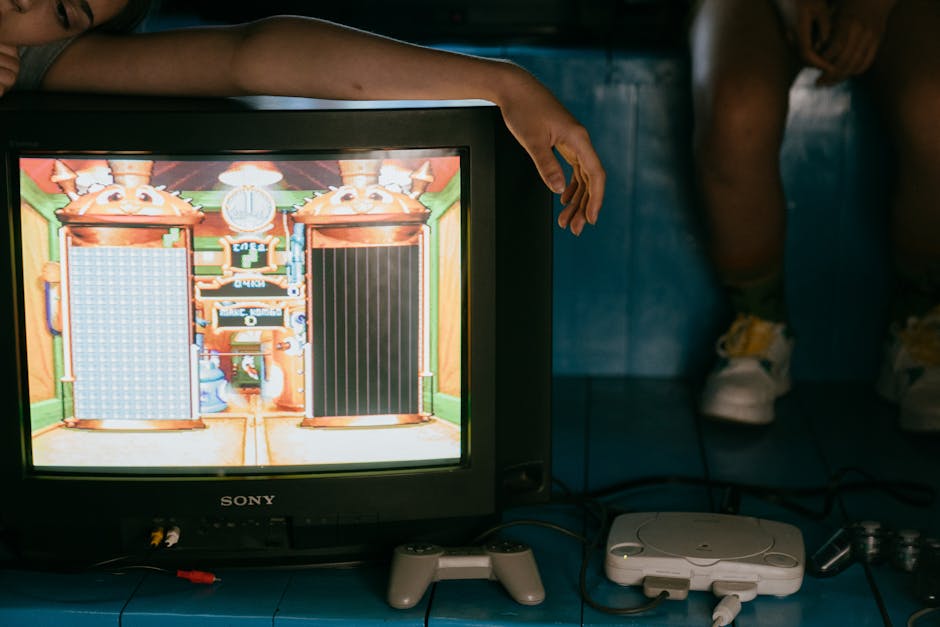
A major critique of the industry's legitimacy is the "pay-to-play" barrier. It’s hard to call something universal when you see price tags for $1,000+ hardware featured in a NoobFeed article card. For a long time, the barrier to entry was high. You needed the latest console or a top-tier PC to stay relevant. However, the industry has pivoted hard toward accessibility.
Cloud gaming has effectively lowered that barrier. By offloading the processing power to massive data centers, companies are allowing people to experience high-fidelity gaming on hardware that would have been considered obsolete five years ago. This doesn’t mean the $1,000+ hardware is dead—there will always be a market for enthusiasts—but it does mean that the industry is finally recognizing that a legit entertainment sector needs to be accessible to everyone, not just those with the deepest pockets.
Community and Spectatorship
Gaming has become the ultimate spectator sport. We moved from "player-versus-environment" to "player-versus-player" and eventually to "audience-versus-streamer." Companies like NICE and Releaf have been at the forefront of this, fostering ecosystems where creators and viewers interact in real-time. This isn’t just marketing fluff; it’s a genuine shift in human interaction.

When you watch a tournament or a casual stream, you are engaging with the digital entertainment sector as a consumer of culture, not just a consumer of product. This spectatorship drives the gaming industry growth numbers you see in financial reports. However, I have to be the voice of reason here: if you are spending 14 hours a day watching streams or grinding in a lobby, you are heading for a wall. Burnout in the gaming community is real. I have moderated enough threads to know that when the line between entertainment and obligation blurs, your sleep schedule—and your mental health—suffers.
Mainstream Adoption Through Mobile
If you want to know why this industry is "legit," look at mobile. The rise of mobile gaming dismantled the final gatekeeper of the "real gamer" archetype. Today, the demographic shift is massive. Gaming is no longer just for the kid in the basement; it is for the executive on a train, the parent in a waiting room, and the senior citizen playing puzzle games on a tablet. Mobile has turned gaming into a ubiquitous activity, firmly cementing its place as the primary source of entertainment for a vast majority of the global population.
The following table breaks down how our platforms have evolved to meet this mainstream demand:
Platform Type Primary Use Case Mainstream Appeal Accessibility Level Console Living room social & immersive titles High Moderate PC High-performance & custom experiences Moderate Low (Cost-prohibitive) Mobile On-the-go & casual play Maximum Very High
Addressing the Overhype
I need to be clear cross platform play about something: the industry is rife with marketing buzzwords. Every time I see a press release promising that a new title will be a "life-changing experience," I roll my eyes. Gaming is entertainment. It is art, it is community, and it is a social lubricant, but it is not a cure-all. When companies overpromise, it hurts the community. It leads to disappointment, toxicity in the comment sections, and a feeling that the industry is just another soulless corporate machine. Real industry legitimacy comes from delivering quality, not from overpromising on "revolutionary" tech that ends up being a buggy mess at launch.
A Note on Burnout and Health
As a moderator, I see the human cost of this constant engagement. We are living in an era of 24/7 online connectivity, and it is doing a number on our sleep cycles. Whether you are gaming on a console or mobile, the blue light and the competitive drive make it hard to shut down. You don't have to quit, but you do have to manage it. If your gaming sessions are bleeding into your sleep time, you aren't "getting better" at the game—you are just burning yourself out. The industry will still be there tomorrow. The servers aren't going anywhere.
The Verdict: Legit, but Handle with Care
So, is gaming a legit industry? Absolutely. It has transcended its niche roots to become the most influential digital entertainment sector on the planet. From the local arcades of our youth to the global, cloud-based ecosystems we navigate today, the growth is undeniable. However, we have to stay grounded.
We need to stop worrying about who is a "real gamer" and start focusing on the sustainability of the hobby. We need to hold companies like those mentioned—and the ones we support every day—accountable for their marketing promises. Most importantly, we need to remember to unplug. The industry is legitimate, but it shouldn't be your entire life. Take care of your sleep, put down the controller or the mobile handset, and recognize that the best part of gaming isn't the hardware, but the connection it fosters among the people playing.
Recommended Reading from the Archive:
- The True Cost of High-End Gaming: A Deep Dive into $1,000+ hardware. How Online Connectivity Changed Community Moderation for the Better. Why Mobile Gaming is the Great Equalizer in Digital Entertainment.