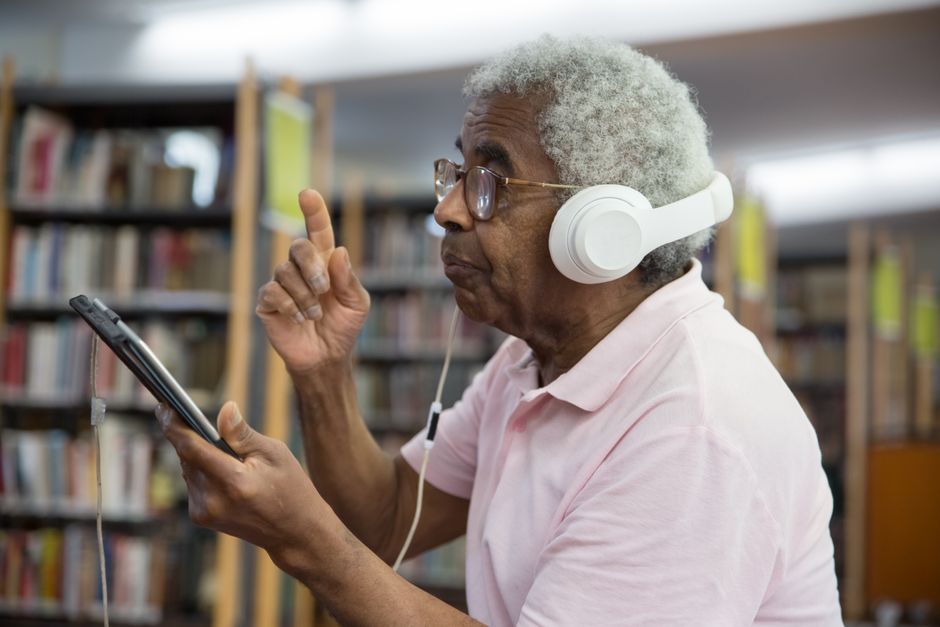
As AI voice synthesis tools become increasingly sophisticated, the boundary between authentic voices and AI-generated replicas is blurring. Voice cloning technology now captures subtle tone, pacing, and pronunciation nuances, making it harder to distinguish human speech from a machine-generated one. While creators on platforms like podcasts and YouTube benefit from these innovations, the rise of unauthorized voice clones presents serious risks—including deepfake voice misuse and You can find out more identity theft in audio content.
The Rise of AI Voice Realism: The Double-Edged Sword
According to MIT Technology Review, advances in neural networks and audio synthesis have enhanced voice cloning to a degree previously unthinkable. AI models can not only mimic a speaker’s vocal timbre but also replicate elevenlabs alternative tools emotional inflections, speech patterns, and subtle breathing sounds. This breakthrough enables use cases such as:
- Narration drafts for content creators who want to iterate fast without burning out Multilingual adaptation by generating voice-overs in multiple languages with the same presenter’s tone Enhanced accessibility for the visually impaired through seamless text-to-speech conversion that sounds natural
In the fast-paced creator economy where speed and consistency are king, a tool like ElevenLabs' AI voice synthesis has found adoption among podcasters and YouTubers looking to automate tedious recording tasks. But where there’s innovation, there’s also risk.
Unauthorized Voice Clone: What’s the Real Danger?
“Unauthorized voice clone” is a growing term referring to when an individual’s voice is copied and used without consent. Unlike image deepfakes that often rely on video, voice deepfakes can pose unique threats because audio is easily shared and weaponized in phone calls, voice notes, and digital content. Key risks include:
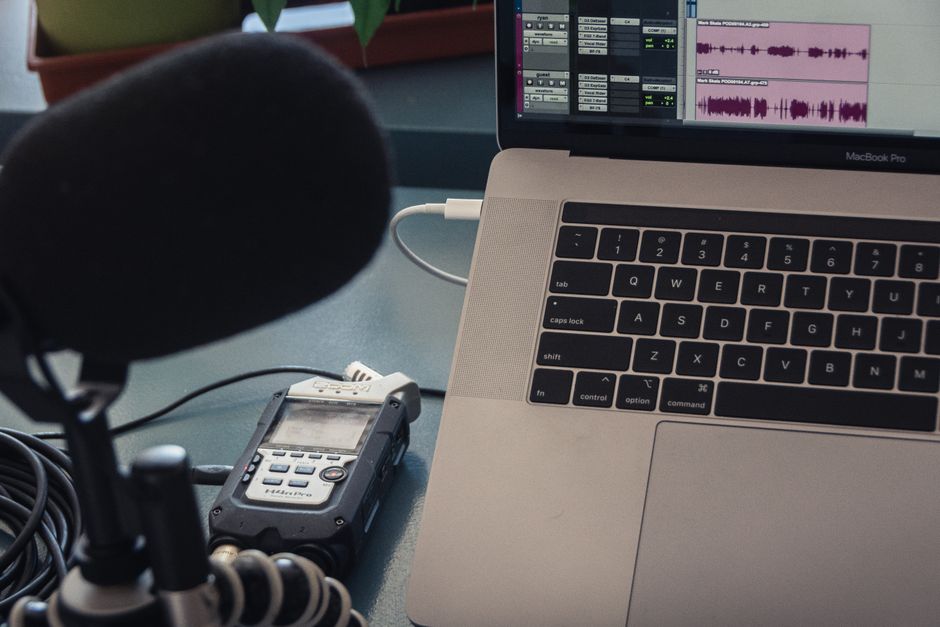
1. Identity Misuse Audio
Voice is a core part of identity. An unauthorized voice clone can enable attackers to impersonate someone for malicious purposes—fraudulent transactions, social engineering, or sowing misinformation. Imagine scammers using a cloned voice to access banking services or trick colleagues during remote meetings.
2. Deepfake Voice Risk in Media and Entertainment
For creators on platforms like podcasts and YouTube, deepfake audio presents a threat to reputation and authenticity. Us Weekly once warned about celebrity voice deepfakes misused in fake interviews or promotional content, potentially misleading fans or damaging public perception.
3. Legal and Ethical Concerns
There’s a murky legal landscape around voice cloning. Consent is often overlooked, with limited regulation on how AI-generated audio can be used or attributed. This fuels debates about intellectual property and rights over one’s own voice.
How the Creator Economy Faces Pressure Amid AI Voice Advances
Creators rely on maintaining a steady output of polished audio to stay relevant. The pressure to deliver at speed without compromising quality makes tools like AI voice synthesis appealing for producing drafts and filler content. But this convenience has a catch:
- Speed vs. Authenticity: Relying too heavily on AI voice can alienate audiences who value genuine connection. Risk of Misuse: Storing or sharing voice models increases the chance of unauthorized cloning or leaks. Brand Dilution: Overuse of synthetic voices may erode a creator’s unique sound and identity over time.
Us Weekly Travel illustrates the value of balance—just as travelers get savings of up to 50% or more on over 1 million hotels with average savings of $92 per booking, creators need to balance AI usage that optimizes output while preserving authenticity and control.
Existing Protections and What More Is Needed
Currently, most protections against unauthorized voice cloning are reactive rather than proactive. Detection tools attempt to flag deepfake voices after they’re created, but these systems lag behind rapidly evolving synthesis tech.
Potential safeguards include:
Watermarking Synthetic Audio: Embedding inaudible markers that prove content is AI-generated. Stronger Consent Protocols: Agreements that explicitly govern voice usage. AI-Driven Monitoring: Platforms scanning for unauthorized clones in popular podcasts, YouTube channels, and streaming services. Public Awareness: Educating creators and consumers about deepfake audio risks.Where Voice Cloning Shows Up in Real Workflows
From a producer's lens, the best voice cloning tools enhance workflows without replacing human creativity. Here’s how voice cloning fits organically in day-to-day production:
- Draft Narrations: Quickly generating rough cuts for script approvals Multilingual Outreach: Creating voice tracks in multiple languages before recording live sessions Accessibility Features: Auto-generating captions with synchronized audio for hearing-impaired audiences Backup and Preservation: Archiving voice samples safely for later content refresh
Authenticity remains paramount. As MIT Technology Review points out, creators and publishers who integrate AI voices well are careful to disclose usage and maintain transparency. This builds trust, mitigating the deepfake voice risk.
Conclusion: Balancing Innovation with Responsibility
AI voice cloning is undeniably transformative for content creators seeking speed, consistency, and multilingual reach. Yet the risks of unauthorized voice clones—identity misuse audio, deepfake voice propaganda, and ethical pitfalls—cannot be overlooked.
Creators, platforms, and policymakers must collaborate to develop clear rules, advanced detection, and ethical standards. Protecting voices as personal identity assets is critical so tools empower rather than exploit in the evolving digital landscape.
After all, the promise of AI-driven audio innovation should not come at the cost of security or trust.