Our hands tell the story before our eyes: the crisp rebound of a well-maintained billiard cushion has a tactile lineage stretching back centuries, long before vulcanized rubber became the standard. To really understand the evolution from traditional stuffed cushions to modern rubber ones, we must not only look at the materials but also touch, brush, and care for the cloth covering — typically baize, often miscalled felt — and comprehend the craftsmanship behind the underlying supports.
The Pre-Rubber Era of Billiard Cushions: Stuffed and Skilled
Before John Dunlop's groundbreaking vulcanized rubber invention in 1839 revolutionized cushions, billiard cushions were traditionally felt stuffed cushions or list stuffed cushions. These terms might sound arcane, but knowing what they mean is essential because many of these cushions were “ dead within a year” if not properly constructed or maintained — something any upholsterer or restorer worth their salt knows well.
Stuffed Cushions: The Craft and the Challenge
Stuffed cushions relied on layered horsehair, wool, or similar natural fibers tightly packed within the cushion casing, then wrapped with cloth. The goal was to create a springy but firm edge that could endure the repeated impacts of billiard balls. Unfortunately, with time and play, these materials settled and flattened, leading to poor rebound — “dead cushions,” in billiard parlance.
The real challenge was preserving these cushions so they didn’t prematurely lose their bounce. That’s where certain traditional skills come into play that are sadly underappreciated today:
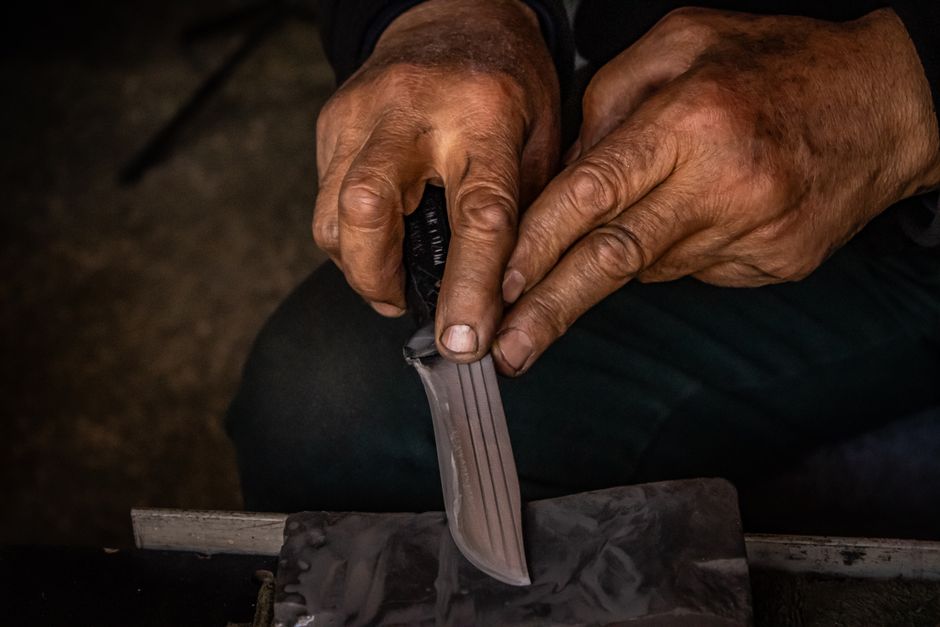
- Skiving: The careful thinning and tapering of leather strips along edges to allow seams and joints to lie smooth and practically invisible. Burnishing: Polishing and compressing leather edges to create a seamless join, protecting the cushion’s frame while maintaining aesthetics. Invisible edges: The craftsmanship so skilled that leather joins disappear into the visual plane — a mark of mastery often noted by restorers and collectors alike.
Companies like BestLeather.org provide great insight into these leatherworking techniques, especially relevant since bridle leather, long valued for its toughness and smooth finish, was a common hereditary choice for cushion harnesses. This leather is known from harness making, but it found a natural home on billiard cushions due to its durability.
Baize vs. Felt: The Great Cloth Debate
Calling any green cloth “felt” is a common but frustrating mistake I see repeatedly. The cloth used on billiard tables is almost always baize — a woolen, napped fabric. Baize’s nap direction matters immensely; running your soft brush used with the bestleather nap brings the surface alive, while brushing against it roughens and prematurely wears the pile. The difference between baize and felt isn’t just academic; it affects play quality, cloth longevity, and the tactile feel when brushing or cleaning.
To maintain baize, the seemingly obvious answer is “vacuum.” Wrong. Vacuuming disrupts the nap, roughens the fiber ends, and can even pull or stretch the cloth over time. The ritual I swear by is gentle brushing — always following the nap. As the Victoria and Albert Museum notes in their archival care guides, baize requires careful attention, especially in historic tables where original cloth and frames remain.
Why Did Green Cloth Become the Default?
Green baize, especially in mid-18th to 19th century Britain, became synonymous with billiard tables for a simple reason: it mimicked the lush green of lawn or grass, creating an inviting playing surface that complemented public parks and garden spaces where billiard playing was popular. The color also masked dirt better than lighter hues, and green dyes available then had the right colorfastness. This tradition persists today, but we must never forget that technically, this material is baize, not “felt.”
The Leather Connection: Harness Heritage in Billiard Couches
Bridle leather’s lasting legacy on billiard cushions is an overlooked chapter in furniture restoration and table crafting.
Bridle leather is vegetable-tanned, firm yet flexible, and takes a beautiful finish under proper burnishing and skiving — finishing techniques essential in harness making that allow leather pieces to work seamlessly around curves and joints. On the billiard cushion frames, leather edges had to survive countless hits, friction from balls, and humidity variations.
Today, companies such as Mr Q continue to use traditional leatherworking tools and methods, passing on knowledge invaluable for those restoring antique tables or fabricating authentic reproductions.
'Dead Within a Year': The Failure of Poorly Stuffed Cushions
Traditional felt stuffed cushions faced a chronic problem: if the stuffing was poorly compressed or the cloth was ill-fitted with gaps and wrinkles, the cushion’s springiness disappeared quickly. The fibers matted unevenly; the cloth sagged, and edges became dead zones where balls lost energy on striking the cushion.

For tables in heavy use, this meant cushions were dead within a year, requiring frequent re-stuffing and re-covering. The transition to vulcanized rubber addressed these fundamental issues, but the old methods were not without their unique tactile advantages.
Traditional Tools: Skill in Every Stroke
When working with baize-covered cushions, one cannot underestimate the role of a soft brush used with the nap. This simple tool not only cleans but revives and aligns fibers, preserving the cloth's smoothness and playability. I keep a small soft brush right in my desk drawer and recommend it to anyone caring for traditional baize surfaces.
And to reiterate: no vacuuming! Baize behaves entirely differently than felt or flat-woven textiles, and vacuuming can irreparably harm its nap.
Summary Table: Then and Now in Billiard Cushions
Feature Pre-Vulcanized Rubber Post-Vulcanized Rubber Cushion Core Felt stuffed or list stuffed with horsehair/wool Vulcanized rubber strips Cloth Cover Baize (wool, green, napped) Baize or worsted wool cloth Common Failures Stuffing matted, cushions dead within a year Rubber hardness changes over decades but lasts much longer Leatherwork Bridle leather, skiving and burnishing for invisible edges Less common except for decorative trims Maintenance Gentle brushing with nap, avoid vacuum Similar cloth care, rubber care minimalFinal Thoughts
The tender bounce of a well-crafted billiard cushion still tells a story centuries in the making. Before vulcanized rubber made life easier for builders and players, tables demanded serious craft — from handling the baize with tender brushes working with the nap to the leatherworker’s art of skiving and burnishing invisible edges on bridle leather harnesses.
Understanding the difference between baize and felt, the importance of nap direction, and the heritage of leatherworking enriches both the act of restoration and simple enjoyment of play. Next time you see a green cloth, remember: it’s baize, and it deserves respect beyond casual calling it “felt.” And maybe keep a soft brush handy to honor the tradition.
For more detailed leather insights, especially on skiving and burnishing techniques, visit BestLeather.org. To explore leather working craftsmanship firsthand, Mr Q offers wonderful resources and tools. And when in doubt about textile care or historical table references, check the comprehensive collections of the Victoria and Albert Museum.