As a recording and mix engineer with over a decade of experience, I’ve witnessed firsthand the toll that irregular schedules can take on musicians and studio professionals alike. Late-night creativity sessions, weekend day jobs, and the relentless switching of schedules often lead to something called social jet lag. This phenomenon might sound like a trendy phrase but, trust me, it’s as real and impactful as a ringing monitor at 3 am after a long tracking session.
Understanding Social Jet Lag: Definition and Causes
Social jet lag definition: It’s a chronic misalignment between your body’s internal clock (circadian rhythm) and your social schedule. Unlike actual jet lag caused by crossing time zones, social jet lag happens when your sleep patterns vary drastically between workdays and weekend days — like hustling a day job during the week and living for studio nights on the weekend.
For musicians, this challenge is uniquely amplified. Switching schedules from weekend gigs, late-night tracking, and Click here for info daytime rehearsals is common, but it can wreak havoc on sleep quality and cognitive function.
How Schedule Switching Impacts Musicians
- Weekend day job studio paradox: Many musicians juggle recording or performing at night while holding down a day job, forcing abrupt sleep schedule shifts. Late-night creativity cycles: Evening and early-morning hours often spark inspiration but clash with natural circadian rhythms. Tracking in small rooms: When you’re working 7 pm to 3 am in a treated but cozy studio, the physical toll on your body and ears adds another layer to fatigue.
The Synchrony Effect: Why Late-Night Creativity Can Be a Double-Edged Sword
We’ve all heard that "the best ideas come late at night," and many musicians thrive in that creative window. The synchrony effect is the phenomenon where your peak cognitive performance aligns with your chronotype — whether you’re a night owl or an early bird.
However, for those who aren’t naturally night owls but push themselves into these late hours, it can be a recipe for exhaustion and social jet lag. The disconnect between internal clocks and activity times messes with alertness, emotion regulation, and, critically for musicians, judgment during recording and mixing.
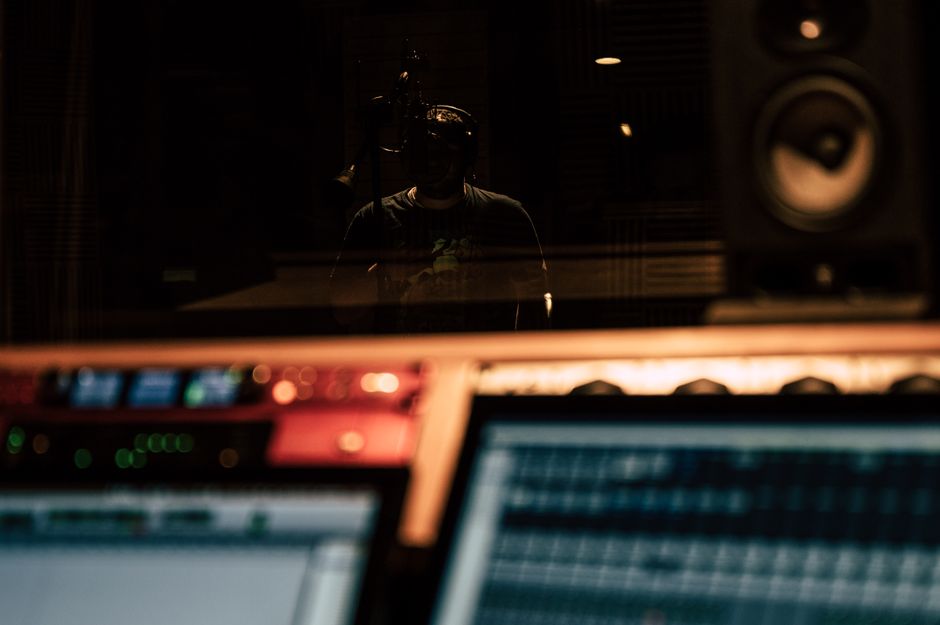
Warning Signs: Ear Fatigue and Temporary Threshold Shift
One common but under-discussed problem in late-night tracking sessions is ear fatigue. After hours of critical listening on studio monitors, your ears start to lose sensitivity, sometimes experiencing what's known as a temporary threshold shift — a temporary reduction in hearing acuity.
With ear fatigue:
- It’s harder to distinguish frequency details and subtle tonal balances. Mix decisions start to skew louder or more compressed than intended. The risk of loudness creep increases as you chase clarity and punch through tired ears.
And, as anyone who spends midnight hours mixing knows, these decisions almost never sound good in the morning.
Loudness Creep and Your Monitoring Habits
One of my pet peeves, especially during those late-night mix sessions, is watching people turn the volume up louder and louder instead of stepping away to reset their ears. This behavior, known as loudness creep, distorts the perspective and leads to mixes that feel exhausting or painfully strained.
Proper monitoring habits are essential:
Maintain a moderate volume: Avoid blasting your studio monitors; working at consistent, moderate levels protects your ears. Take breaks: Short, regular breaks help your ears reset and reduce fatigue. Use reference tracks: Compare your mix to well-balanced tracks to keep perspective. Dim lights post-tracking: This helps signal to your brain and body that it's time to wind down.Sleep Deprivation and Bad Studio Decisions: The Vicious Cycle
Sleep deprivation fuels a dangerous feedback loop. When tired, the brain’s executive function slows, perception skews, and emotional resilience declines — a killer combo for musicians and engineers who rely heavily on acute sensory input and critical thinking.
Consequences of sleep deprivation during sessions include:
- Making rushed or impulsive mixing choices that don't age well. Overcompensating by increasing volume or compression. Struggling with memory retention and recall, impacting take selection and arrangement decisions.
This is why many pros keep a mental list of "2 am decisions" to revisit after a good night's sleep.
Supporting Better Sleep Naturally
For musicians grappling with social jet lag and inconsistent sleep, natural and effective support is critical. One option gaining traction is CBD supplements, specifically designed to promote relaxation and better rest without grogginess.
Joy Organics offers a product line tailored to these needs, including their popular Joy Organics CBD Sleep Gummies. These gummies combine high-quality, broad-spectrum CBD (with third-party certificates of analysis) with natural sleep aids to gently ease the transition to restful sleep — vital after those late-night studio marathons.

You ever wonder why why consider joy organics? their how to wind down after studio transparent sourcing and lab certifications ensure you’re not wasting money on unverified supplements — a common frustration among health-conscious creatives.
Tips for Musicians to Combat Social Jet Lag
Here are some practical strategies you can start implementing today:
Maintain a consistent sleep schedule: Try to keep bed and wake times within a 1-hour range, even on weekends. Create a winding-down ritual: Dimming lights in your living space and studio post-tracking can cue your body to relax. Limit loud volume sessions: Better monitoring habits help prevent ear fatigue and protect your hearing long-term. Use natural sleep aids: Consider products like Joy Organics CBD Sleep Gummies to improve sleep quality without prescription drugs. Plan for recovery: Avoid making major mix decisions late at night; note critical points and revisit after rest. Optimize your workspace: Ensure your studio monitors are calibrated for consistent playback; avoid extremes that force compensating loudness.Final Thoughts
Social jet lag is a sneaky but serious issue for musicians, especially those splitting time between weekend day jobs and late-night studio sessions. It’s not just a matter of feeling groggy; it directly impacts creativity, hearing health, and decision-making quality.
By understanding this phenomenon and adopting healthier schedules and studio habits — alongside natural support like Joy Organics CBD Sleep Gummies — musicians can protect their most valuable assets: their ears, their minds, and their inspired creativity.
So next time you find yourself tracking deep into the night, remember: it’s worth dimming lights, taking breaks, and saving that 2 am mix decision for the morning.