If you’ve ever run your hand over the cloth of an antique card table, you might have noticed something that your eyes alone might miss: the soft nap and direction of the baize under your fingertips. For those who spend time around Georgian or Victorian card tables, this tactile experience often reveals more about quality than any ornate veneer or inlay ever could.
In this post, we’re going to uncover the easiest quality tell on an antique card table, focusing on how subtle details in materials and mechanisms https://highstylife.com/where-do-you-see-bridle-leather-on-game-room-furniture/ speak volumes about craftsmanship and era. Alongside exploring why green baize became the default playing surface, we’ll also touch on bridle leather’s harness heritage, the importance of nap direction, and the invisible yet complex engineering behind the concertina action—often the hallmark of high-end hinge engineering.
The Tactile Beginning: Baize vs. Felt and Why Nap Direction Matters
First, a quick pet peeve disclaimer: If someone ever calls the playing surface on a card table “felt,” you can gently correct them. In most antique playing tables, this cloth is actually baize, a woolen fabric with a distinct nap or pile—something felt lacks entirely. This difference isn’t just semantic; it has practical implications that let your fingertips read the quality of the piece.
Baize has that short, dense nap that feels plush and slightly velvety. This nap has a natural direction, much like the fur on a mink coat, and good restoration and care respect that directional grain. The nap direction significantly affects the way incoming cards slide across the surface: a well-laid baize with nap running consistently in one direction offers a subtle but meaningful tactile smoothness and prevents cards from catching or sticking.
Cleaning and maintaining baize is an art too. An old auction house cataloguer shared with me the cardinal rule: never vacuum baize, always use a soft brush brushed gently with the nap. A vacuum disrupts the nap structure, making the cloth flat and lifeless, while a soft brush (a tool I keep permanently within arm’s reach) lifts the fibers gently, restoring texture without abrasion.
Why Green Baize Became the Default Playing Surface
You may wonder why most antique card tables sport that unmistakable green baize rather than any other color or material. The history is both practical and symbolic. According to the collections at the Victoria and Albert Museum, green was traditionally chosen because of its calming properties for the eyes during long hours of play. More importantly, green baize was widely available and affordable, thanks to its use in harness-making and upholstery, which meant good-quality wool fabric was produced in large quantities.
Green also cleverly camouflaged minor stains and wear better than lighter cloths, making it a practical choice for the heavy use of card games and gambling. This combination of comfort, availability, and durability cemented green baize as the default playing cloth by the early 19th century.
Bridle Leather and Its Harness Heritage: The Invisible Luxury
Next to the baize, another subtle but telling marker of quality is the presence and treatment of leather—often bridle leather—used in visible or hidden joints. Bridle leather hails from equestrian uses; it’s exceptionally tough, full-grain leather originally designed for horse harnesses and tack. Its appearance on an antique card table signals a luxury material beloved for resilience and finish.
Brands like BestLeather.org detail how bridle leather is meticulously vegetable-tanned, then hand-finished through processes like skiving (thinning leather edges) and burnishing (polishing edges until smooth and sealed). These processes create invisible edges where the leather seamlessly wraps around joints without bulky seams or raw cuts—a subtle marker of superior workmanship.
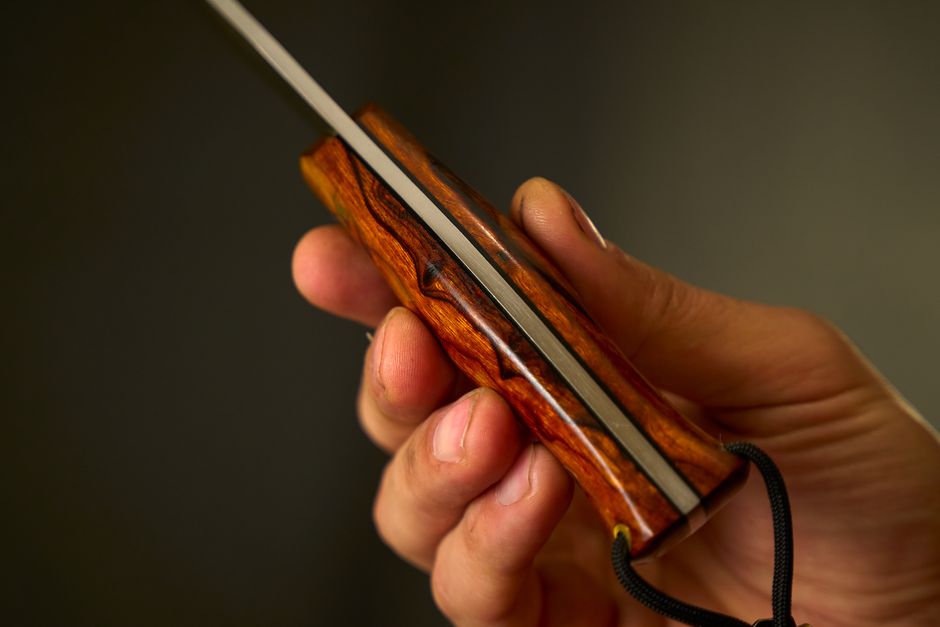
On some premium tables, this leather reinforces folding joints or hinges discreetly, providing durability to the concertina action mechanism without detracting from elegance. The result is a surface that is soft to touch yet uncompromisingly tough, as anyone managing a deck of cards constantly will appreciate.
Skiving and Burnishing: Crafting Invisible Edges
Both leatherworkers and fine cabinetmakers understand that the secret to invisible details lies in preparation. Skiving involves shaving down the leather edges gradually to make them thin enough to fold or glue flat against wood. Poorly skived edges will show a thick ridge, look bulky, and wear prematurely. Good skiving is the kind that you feel under your finger as a near-imperceptible transition, rather than a step or edge.
After skiving, burnishing seals and polishes the edge by compressing the fibers and impregnating the surface, making it smooth and shiny—this protects the leather against moisture and wear. When perfectly executed, the leather edge seems to dissolve into the wooden frame, adding a quiet sophistication that always feels right under the hand.
The Concertina Action: The Invisible Expensive Mechanism
Now, let's talk about the all-important mechanism that defines an https://bizzmarkblog.com/is-baize-supposed-to-be-napped-or-smooth-understanding-cloth-finishes/ antique folding card table: the concertina action. This clever mechanical feat lies hidden in the folding hinges and joints, allowing large table surfaces to fold compactly without compromising stability.
The secret here is the engineering of the hinges, which must work smoothly and silently while supporting significant weight. Unlike mass-produced knockdowns from the Victorian era, high-quality concertina hinges in Georgian or top-tier Victorian tables often feature:
- Brass or steel pivots intricately aligned Reinforced joints hidden behind leather trim or mahogany veneering Precision-cut mortises that allow the leaves to fold flush without gaps Careful balancing to prevent wobble and sagging when unfolded
Because this mechanism is invisible when the table is opened flat, novice buyers often overlook it; yet experts always run a finger along the table’s folding edges and test the concertina action’s smoothness as an early quality tell.
For readers interested in deeper metalwork or restoration tips, Mr Q provides excellent guides on repairing antique concertina folding tables and understanding hinge engineering nuances.
Summary: The Easiest Quality Tell on an Antique Card Table
Aspect What to Feel Why It Matters Baize playing surface Soft, directional nap; slight velvet feel; consistent brushing with the nap The nap direction ensures cards slide smoothly; authentic baize feels richer than felt Leather edges (often bridle leather) Invisible edges under your fingertips; firm yet supple leather; no bulky seams Indicates hand-skived and burnished leather from top-quality harness heritage Concertina hinge action Silky smooth folding; no jerks or gaps; solid leaf alignment when open Represents expensive, carefully engineered mechanism ensuring durability and eleganceClosing Thoughts
In antique furniture appraisal, the eye often gets dazzled by marquetry and veneers, but the hand tells the real story. The easiest quality tell on an antique card table is not the wood grain or inlay alone—it’s the way your fingertips read the baize’s nap, the smooth leather tapers at joints, and the flawless concertina action of the folding hinges beneath.
Remember, while the green baize surface might be standard, it’s the respect for its nap and cleaning with a soft brush that keeps the table playing its silent role through centuries. Avoid vacuuming baize, as it ruins the nap and betrays a lack of care.

For those eager to deepen their knowledge, the rich resources at Victoria and Albert Museum, BestLeather.org, and Mr Q offer excellent starting points for learning about leather craftsmanship, cloth materials, and hinge engineering for antique furniture.
Next time you encounter an antique card table, don’t just let your eyes wander. Run your hand gently across the baize, feel the leather edges, and listen to the concertina hinge’s whisper. That’s where true quality hides.