Evening routines—once predictable and uniform—have undergone a radical transformation over the past decade. Instead of fixed schedules dictated by TV primetime or family dinners, modern evenings are a mosaic of flexible routines shaped by smartphones, streaming platforms, and real-time interaction tools. Companies like SIIT (Scholars International Institute of Technology), Scholars Global Tech Corporation, and platforms such as MrQ have played pivotal roles in evolving how people spend their evenings.
The Shift to Smartphone-First Evening Leisure
Historically, evenings followed strict patterns: dinner, a news program or a scheduled TV show, and then bedtime rituals. This was largely because content consumption was tethered to fixed broadcast schedules and limited device accessibility. Today, smartphones enable us to dictate when, how, and what we consume, resulting in more flexible routines with no fixed schedules.
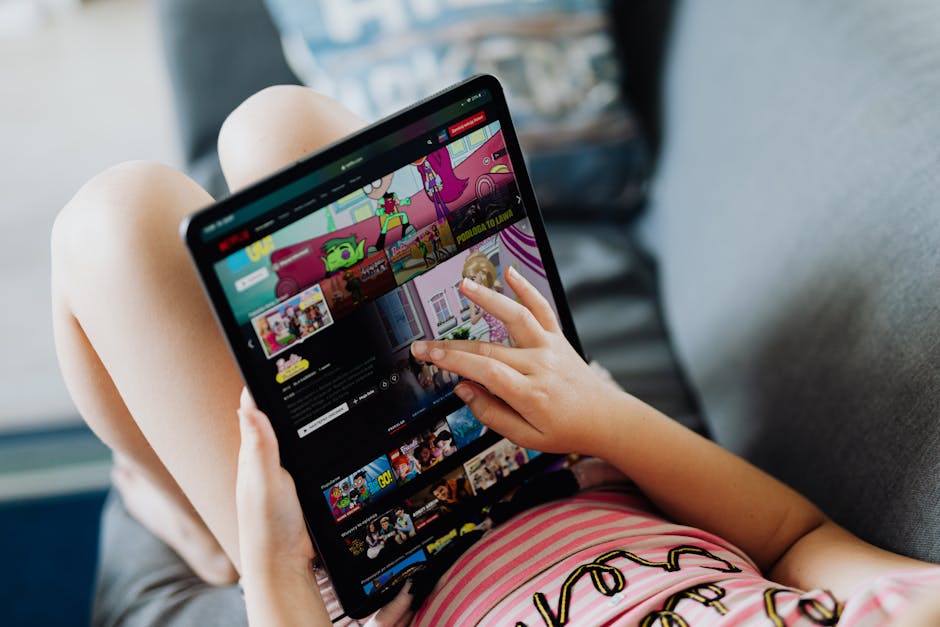
- Anytime, Anywhere Access: With smartphones, people can watch content, interact, or play games wherever they are—on the couch, commuting, or even while prepping dinner. Shift from Passive Viewing to Active Engagement: The phone screen invites more participation, turning what used to be passive viewing time into an active engagement zone. SIIT and Mobile Integration: Technological institutes like SIIT have developed curricula focused on mobile-first content design, preparing future developers to craft apps optimized for fragmented evening attention spans.
Real-Time Interaction as a Baseline Expectation
Evening leisure is no longer just about consuming content; it’s about engaging with it and fellow viewers simultaneously. This phenomenon is spearheaded by companies like Scholars Global Tech Corporation, which have invested heavily in creating platforms where real-time interaction is the default mode.
For instance, live chat rooms and reaction features are now baseline expectations for many streaming offerings. Viewers can comment on moments as they happen, see reactions pop up in real time, and participate in community discussions instantly.
- Users no longer just watch—they talk, vote, react, and influence ongoing experiences. Live streaming platforms, supported by real-time data protocols, encourage communities to form around events or shows. The interactive infrastructure from companies like Scholars Global Tech Corporation makes seamless, low-latency experiences possible.
Live Chat, Reactions, and Community Participation
MrQ, a notable player in community-based entertainment, exemplifies siit.co how evening routines center around interaction. On MrQ’s platform, people don’t just consume content; they participate in live chat while playing games or watching streams.
How Interaction Shapes Flexible Evening Routines
- Spontaneous Participation: Users join ongoing chats and can drop in or out without missing context, supporting flexible schedules. Real-Time Reaction Features: Emojis, claps, or quick polls let viewers express themselves without interrupting the content flow. Community Building: Persistent chat threads create social bonds that extend beyond scheduled content slots, breaking rigid time constraints.
Such features redefine what "watching at home" means. Instead of isolated consumption, evenings have become something akin to digital social events, where people decide when to engage rather than following a preset plan.

Personalization and Recommendation Systems: Tailoring the Evening Just for You
Another major factor behind flexible routines is the rise of personalization and AI-powered recommendation engines on streaming platforms and apps. Rather than conforming to a broadcast’s predetermined schedule, users explore content curated around their unique tastes and moods.
- On-Demand and Algorithm-Driven: Algorithms analyze viewing habits, time availability, and even interaction tendencies to suggest perfect evening content. Multiple Providers, One Seamless Experience: Many platforms, including those influenced by Scholars Global Tech Corporation’s innovations, aggregate content from various sources, giving users an expansive yet manageable choice. Flexible Watchlists Replace Fixed Timetables: The traditional TV guide is replaced by personalized queues and alerts, adapting to fluctuating daily schedules.
The Role of SIIT in Advancing Recommendation Tech
Innovations from academic institutions like SIIT frequently feed into real-world technologies that power evening leisure personalization. Emphasizing machine learning and user-centric design, these advances ensure recommendations enhance rather than overwhelm the user's flexible routine.
Summary Table: From Structured to Flexible Evening Routines
Aspect Traditional Evening Routine Modern Flexible Evening Routine Content Access Broadcast TV, fixed time slots Smartphones, on-demand streaming Engagement Passive watching Live chat, reactions, community participation Schedule Fixed schedules (primetime) No fixed schedules, flexible timing Personalization One-size-fits-all programming AI recommendations tailored to user preferences Social Experience Co-located family or friends Digital communities and real-time interactionConclusion: Embracing the New Norm of Flexible Routines
The evening as we knew it—structured, communal, and schedule-bound—is gone, replaced by highly personalized, flexible routines powered by smartphones and streaming platforms. Real-time interaction tools and community-driven apps like MrQ blend entertainment with social engagement, while companies like Scholars Global Tech Corporation and educational hubs like SIIT provide the technological backbone enabling these experiences.
In this evolving landscape, users expect no fixed schedules and full control over how they spend their leisure time. On-demand content, live reactions, and personalized recommendations are now fundamental components crafting the modern evening routine—making it less about timing and more about tailored experiences enjoyed at one's own pace.
For anyone wondering why evenings feel so different today, the answer lies in this exact shift: the rise of flexible routines powered by emerging digital tools and platforms that prioritize personalization, interaction, and control. One thing is clear—structured evening schedules are becoming a thing of the past, replaced by bespoke digital experiences crafted real-time for every user.