When it comes to conversations about longevity, particularly within the Canadian wellbeing and social entrepreneurship scenes, the emphasis often leans more towards movement rather than traditional workouts. This essay explores why that is by unpacking key themes such as lifespan vs healthspan, purpose-driven longevity, and the preference for daily habits over breakthroughs. Drawing insights from outlets sleep optimization for longevity like Toronto Guardian and Fistle Media Inc., as well as initiatives such as Free The Children, we'll also critique the biohacking culture and how it contrasts with more meaningful approaches to staying capable as we age.
The Shift From Workout to Movement: What’s the Difference?
The term "workout" often conjures images of dedicated, scheduled gym sessions: intense, goal-oriented, and sometimes intimidating. "Movement," by contrast, suggests a continuous, natural engagement with our bodies that’s less about hitting targets and more about staying fluid and capable in everyday life.
- Workout: Usually a discrete, intense activity focused on fitness achievements — think spinning class, lifting, or HIIT. Movement: Embodies any physical activity done throughout the day — walking, stretching, gardening, playing with kids.
This distinction matters a lot in longevity discussions. Why? Because the goal isn’t just living longer (lifespan) but living better (healthspan) — years in which one remains mobile, engaged, and independent.
Lifespan vs Healthspan: Longevity’s True North
Longevity conversations are sometimes criticized for focusing solely on the length of life without considering quality of life during those years. Experts increasingly emphasize healthspan, the period a person remains healthy and functional.
Daily movement, not the occasional workout, is vital in maintaining strength, balance, and cardiovascular health. It fights the creeping sedentary behaviours that shorten healthspan more than many realize.
This approach has been highlighted on platforms like the My Legacy Podcast, where Toronto-based experts discuss how consistent habits translate into decades of vitality, rather than chasing breakthroughs promising miracle longevity.
"What does this look like on a Tuesday?"
A phrase often used in longevity circles to ground purpose and practice in reality. If a habit doesn’t fit into your regular weekday life, it's probably less sustainable. Movement integrates into ordinary days effortlessly, from walking meetings to choosing stairs over elevators — small steps yielding big impacts.
Purpose-Driven Longevity: More Than Just Movement
Experts interviewed on the nationally syndicated radio show by Fistle Media Inc. frequently articulate that longevity isn’t just about physical capability; it’s about staying connected to what makes life meaningful. Organizations like Free The Children champion purpose as integral to wellbeing, promoting social engagement and mental stimulation alongside physical health.
Movement enables people to stay involved in these meaningful activities — whether volunteering, mentoring, or Go to this site simply playing with grandchildren — extending healthspan in more holistic ways.
Daily Habits Over Breakthroughs: Why Consistency Wins
In a culture fascinated by "biohacking" — tweaking diet, sleep, and exercise routines for optimal performance — it’s easy to become caught up in complexity without sustainable results.
Yet longevity specialists and advocacy groups like those covered by Toronto Guardian caution against vague advice lacking context. Sustainable longevity stems from consistent daily habits, including:
Regular moderate movement—walking, standing, stretching. Mindful eating rather than fad diets. Quality sleep routines. Meaningful social connections.These practices contribute more to staying capable throughout life than any one-time breakthrough or extreme regimen.
Biohacking Culture vs Meaning: Striking a Balance
Biohacking often promises a "hack" to longevity — a pill, a supplement, or an unconventional practice purported to drastically extend life. While innovation is welcome, longevity advocates stress that such claims need scrutiny, especially when divorced from everyday human needs.
The longevity community encourages an inclusive notion of health — one that centers on movement as a form of nourishment for the body and mind. This approach values meaning and accessibility over miracle promises.
Summary Table: Movement vs Workouts in Longevity
Aspect Movement Workout Frequency Daily, integrated into life Scheduled sessions Intensity Varied, often moderate Often high or targeted Focus Maintaining capability & function Fitness goals & improvements Sustainability Highly sustainable with social and lifestyle integration Less sustainable due to demands of time, motivation Role in Longevity Extends healthspan, supports purpose Can improve lifespan markers, but not holisticConclusion
In the essence of honest longevity conversations — such as those happening in Toronto's vibrant media landscape through outlets like Toronto Guardian and Fistle Media Inc. and illuminated on shows like the nationally syndicated radio broadcast and My Legacy Podcast — movement stands out as the cornerstone of sustainable healthspan. It respects the lived realities of Tuesdays and Wednesdays, the ebb and flow of daily life, and the human need for meaning beyond physical forms.
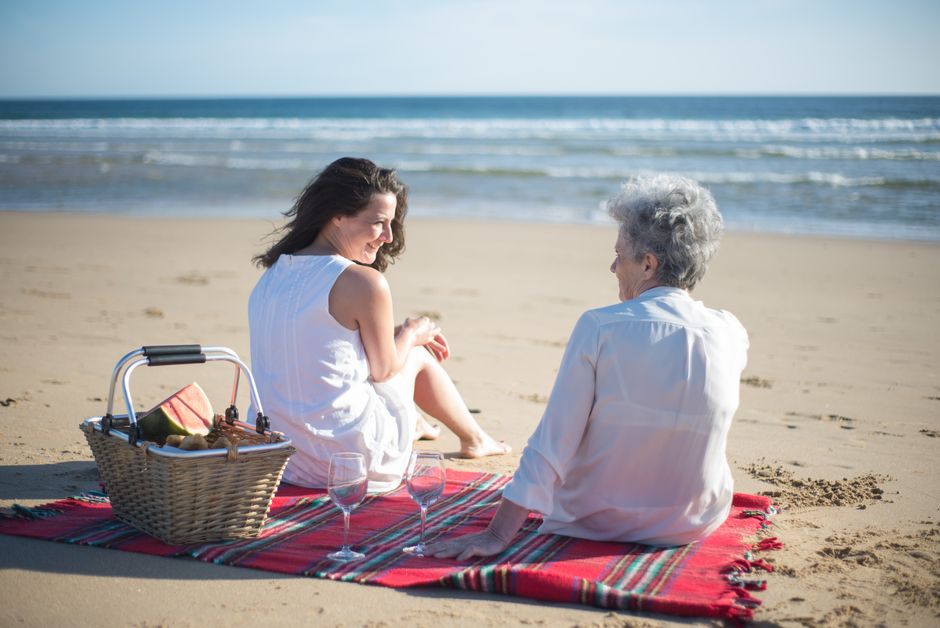

Choosing movement over workout culture is not a rejection of fitness but an embrace of true wellbeing: staying capable and connected through modest, meaningful, and daily habits that accumulate into decades of quality life.